Discover how LONGBOW’s press brakes can help you optimize your production
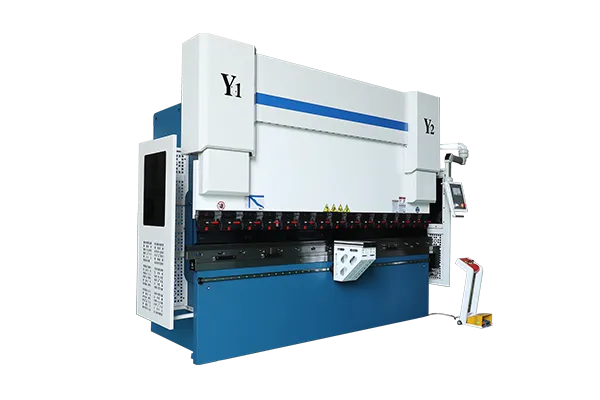
LONGBOW offers productive CNC hydraulic press brakes, new customized solutions, and easy-to-use option suites designed to meet the customers real needs and provide them with the right machine for their businesses.
LONGBOW Press Brakes CNC Hydraulic Press Brakes
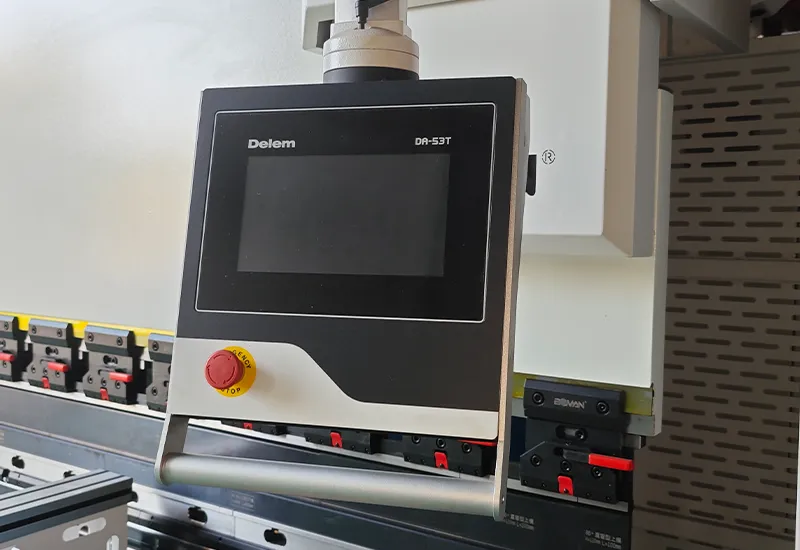
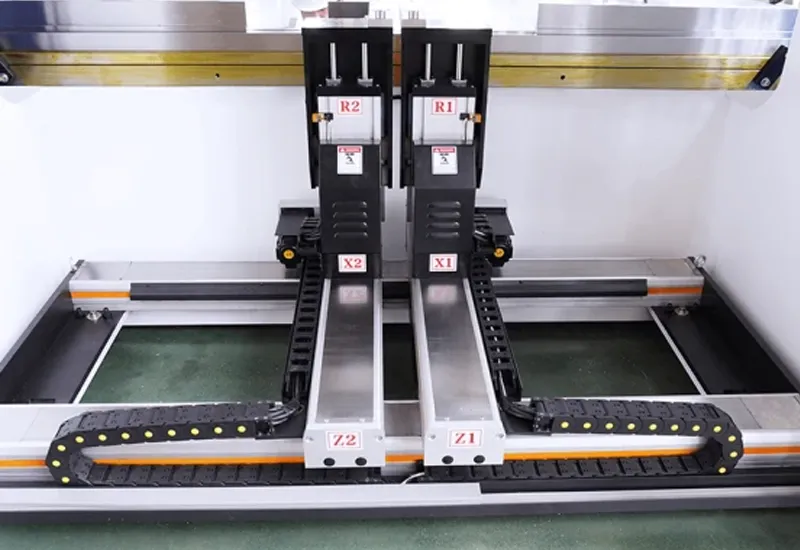
Changgong CNC press brake are highly customizable. We offer a comprehensive selection from economical CNC hydraulic press brake to high-precision CNC hydraulic press brake to electric press brake. The press brake have a wide range of pressures, ranging from 8 tons to 6,000 tons, and the bed length is also extremely flexible, ranging from 0.8 meters to 24 meters. We are equipped with a variety of systems such as Delem, ESA, Cybelec, etc., designed to fully meet the specific needs of different customers.
Our press brake combine the most advanced technology, an experienced professional team, and excellent mold designers to ensure that each device achieves excellent performance and stability. However, in the face of such a variety of choices, how to choose a bending machine that best meets your needs is the key.
Capabilities: 3T -63T 100% Electric Bending Technology Noiseless All-electric Servo No Hydraulic Oil or Hydraulic Filter No Valves or Cylinders No Clutch or Flywheel Reduced Dwell Time
Different materials have different tensile strengths, and the thickness of the material will determine the tonnage required. Ensure the press brake can handle the maximum thickness of the material you will be working with.
The length of the press brake should accommodate the longest piece of material you need to bend. Ensure the machine’s bed length is suitable for your largest workpiece.
Precision in bending is crucial for quality production. Look for a press brake with high accuracy and repeatability specifications if your parts demand tight tolerances.
For high-volume production, an automated press brake with CNC controls might be more suitable, whereas a manual or semi-automated press brake could suffice for lower volumes.
Cost is a significant factor. Balance your budget with the required features and capabilities. Consider long-term costs, including maintenance and energy consumption.
Modern press brakes come with various safety features like light curtains, safety mats, and emergency stop buttons. Ensure the machine meets safety standards.
Yes, adjustable or segmented tooling allows for bending different lengths and profiles without changing the entire setup, enhancing efficiency and flexibility.
Material type (e.g., steel, aluminum, stainless steel) affects the choice of tooling. Consider the material's hardness, ductility, and surface sensitivity to ensure appropriate tooling.
The punch and die angle should match the desired bend angle. Common angles include 90°, 88°, and 85°. For acute bends, use punches and dies with angles less than 90°.