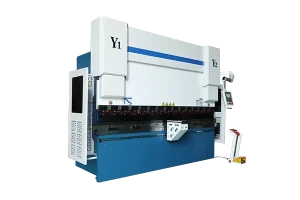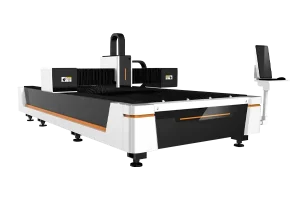
Automation and high precision have become major trends in the global metal processing industry. To maintain competitiveness, manufacturers are striving to improve bending accuracy, shorten production cycles, and enhance overall efficiency.
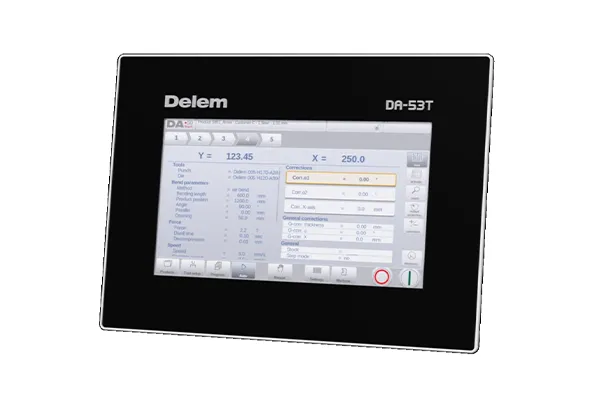
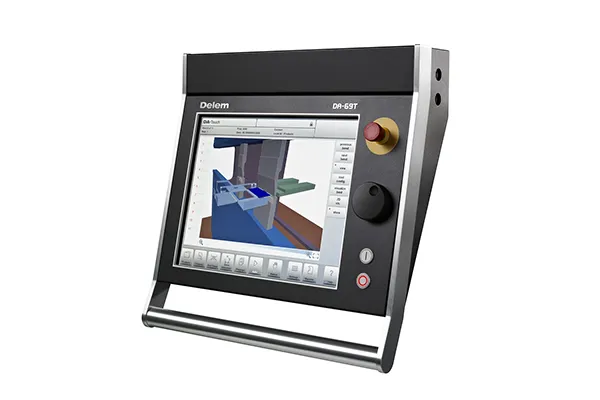
Consequently, 4 axis and 6 axis CNC press brakes have become the mainstream choice for modern workshops. Advanced features—such as Delem control systems, automatic backgauge systems, and multi-axis control—are now key factors influencing purchasing decisions.

What Is a 4 Axis CNC Press Brake?
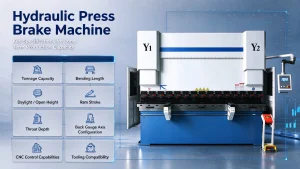
A 4 axis CNC press brake typically consists of Y1, Y2, X, and R axes. It is designed for standard sheet metal bending applications, offering a balance of precision, automation, and cost. This configuration is ideal for common parts and small to medium batch production.
Common Axis Configuration
| Axis | Function |
| Y1 | Controls the movement of the left hydraulic cylinder |
| Y2 | Controls the movement of the right hydraulic cylinder |
| X | Controls the forward and backward movement of the back gauge |
| R | Controls the up and down movement of the back gauge |
Key Features of a 4 Axis Press Brake
What makes the 4 axis CNC press brake stand out is its practical CNC automation without unnecessary complexity. Its main strengths can be summed up below:
- Easy to operate and program
- Costs less than press brakes with more axes
- Easy to operate and program
- Costs less than press brakes with more axes
- Works well for nearly all standard bending projects
- Runs more efficiently and delivers steady results repeatedly
- Simple upkeep, and new operators can get skilled quickly
- A practical choice for small and medium-sized metalworking shops
Common Applications
This versatile bending machine is used in many industries where stable and efficient bending is required. You can see it in the production of:
- HVAC ventilation ducts
- Metal cabinets and enclosures
- Electrical boxes and control panels
- Metal furniture pieces
- Steel storage shelves
- All kinds of regular sheet metal components
Who Is a 4 Axis Press Brake Suitable For?
This machine is a great fit for companies that want to use CNC automated bending, but do not have frequent orders for highly complex parts. It is highly recommended for:
- New fabrication workshops
- Factories producing standard sheet metal goods
- Small and mid-size businesses
- Teams on a tight budget that hope to improve productivity
- Workshops switching from manual or NC press brakes to CNC systems
For most metal fabricators, the 4-axis CNC press brake offers ideal performance, simple operation and solid cost performance.
What Is a 6 Axis CNC Press Brake?
A 6 axis CNC press brake includes Y1, Y2, X, R, Z1, and Z2 axes. With additional left and right back gauge finger control, it provides greater positioning flexibility and higher accuracy. This configuration is better suited for complex parts, high-precision requirements, and medium to large batch production.
Common Additional Axes
| Axis Group | Function |
| Y1 / Y2 | Control the left and right hydraulic cylinders for precise ram movement |
| X | Controls the forward and backward movement of the back gauge |
| R | Controls the up and down movement of the back gauge |
| Z1 / Z2 | Control left and right back gauge finger movement for positioning flexibility |
Key Advantages of a 6 Axis Press Brake
A 6 axis CNC press brake offers several important improvements over lower-axis models:
- More accurate back gauge positioning
- Better capability for complex part bending
- Reduced manual adjustment during setup
- Higher efficiency in batch production
- Improved repeatability and consistency
These advantages make it especially valuable in high-demand production environments.
Common Applications
6 axis press brakes are widely used in industries requiring high precision and complex geometries, including:
- Automotive components
- Elevator manufacturing
- Stainless steel precision fabrication
- Large-scale sheet metal production
- Industrial equipment housings
- Current Market Trend
As global manufacturing shifts toward higher automation and tighter tolerances, more export-oriented factories are adopting 6 axis CNC press brakes to improve competitiveness.
Key Differences Between 4 Axis and 6 Axis CNC Press Brake
| Feature | 4 Axis CNC Press Brake | 6 Axis CNC Press Brake |
| Axis Configuration | Y1, Y2, X, R | Y1/Y2, X, R, Z1/Z2 |
| Back Gauge Control | Basic positioning | Independent left/right positioning |
| Flexibility | Suitable for standard parts | Suitable for complex & asymmetrical parts |
| Precision | High for standard bending | Higher for complex bending |
| Setup Time | Short | Shorter (less manual adjustment) |
| Production Type | Small to medium batch | Medium to large batch |
| Complexity Handling | Limited | Strong capability |
| Cost Level | Lower investment | Higher investment |
| Typical Users | Small & medium workshops | Advanced & export-oriented factories |
How to Choose CNC Press Brake Based on Your Factory Needs?
Quickly Choose
| Selection Criteria | Choose a 4 Axis CNC Press Brake | Choose a 6 Axis CNC Press Brake |
| Part Complexity | Standard sheet metal parts | Complex or asymmetrical parts |
| Typical Applications | Cabinets, HVAC ducts, metal furniture, electrical enclosures | Automotive, elevator, precision stainless steel parts |
| Investment Budget | Lower initial investment | Higher investment for advanced capabilities |
| Production Volume | Small to medium batches | Medium to large batches |
| Setup Requirements | Simple operation and programming | Faster setup with less manual adjustment |
| Production Goal | Cost-effective and reliable bending | High-efficiency and high-accuracy production |
Factors to Consider When Choosing
1. Machine Configuration (Axis System)
- Choose between 4 axis or 6 axis based on part complexity
- Ensure the back gauge system meets your positioning requirements
- Check compatibility with future production upgrades
2. Bending Capacity
- Tonage (e.g., 80T, 200T, 250T)
- Bending length (e.g., 3200mm, 4000mm)
- Material thickness requirements
3. Control System
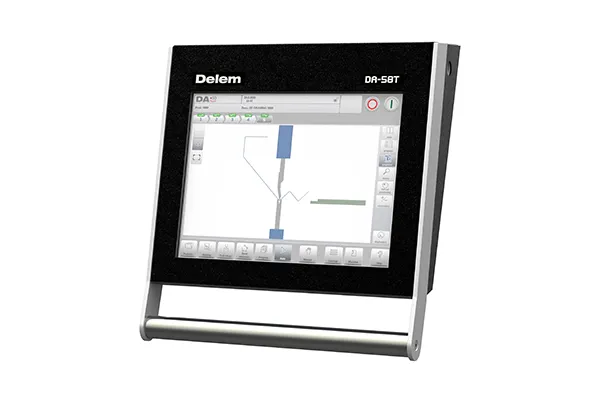
- Popular systems include Delem, ESA, Cybelec
- Look for easy programming and stable performance
- Ensure good interface for operators and production efficiency
4. Accuracy and Repeatability
- Ram positioning precision (Y1/Y2 synchronization)
- Back gauge accuracy (X, R, Z axes)
- Long-term stability under continuous production
5. Machine Structure and Quality
- Frame rigidity and welding quality
- Hydraulic system stability
- Wear resistance of key components
6. Production Efficiency
- Setup time and tooling change speed
- Automation level (manual vs CNC fully controlled)
- Support for batch production
7. After-Sales Support

- Spare parts availability
- Technical support response time
- Installation and training services
Why More Overseas Buyers Choose Chinese CNC Press Brake Manufacturers
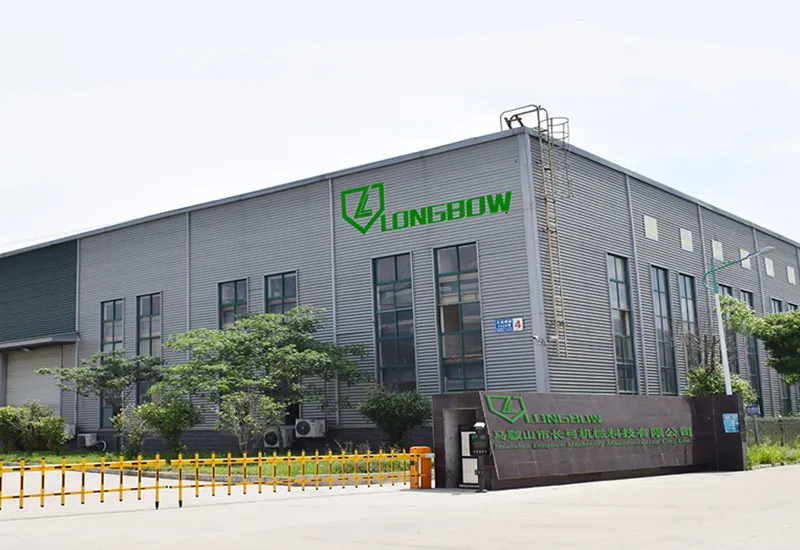
In recent years, an increasing number of global buyers have turned to Chinese CNC press brake manufacturers due to their strong competitiveness in both cost and manufacturing flexibility.
Higher cost-performance ratio
Chinese manufacturers can offer competitive pricing while maintaining reliable quality, making them attractive for both small and large-scale projects.
Strong OEM/ODM capability
Most suppliers support customization based on drawings, production requirements, and industry-specific applications.
Flexible multi-axis configurations
Options such as 4 axis, 6 axis, and even higher-end systems are widely available to meet different bending needs.
Customizable Delem control systems
Buyers can choose different Delem models and software configurations based on automation and programming requirements.
More flexible lead times
Compared with many Western suppliers, Chinese factories often provide shorter and more adaptable production schedules.
Conclusion
The choice between 4-axis and 6-axis CNC press brakes will greatly affect your bending accuracy, workflow efficiency and overall manufacturing results.
LONGBOW delivers trustworthy and cost-efficient CNC press brakes. Our machines support flexible setup and full customization, while maintaining steady performance for global buyers.
Get in touch with us to receive technical support, professional machine selection advice and competitive quotes tailored to your projects.