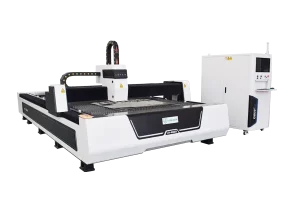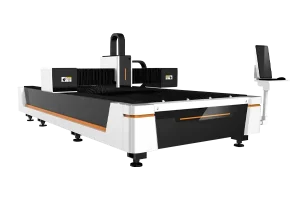
For sheet metal fabrication and metal processing industries buyers, buying a fiber laser cutting machine is only the beginning of the investment. The real cost appears during daily production—electricity, assist gas, consumables, maintenance, labor, and unexpected downtime can all affect your final profit.
This is why two machines with similar purchase prices can have very different operating costs over several years.
So, how can manufacturers reduce the operating costs of a fiber laser cutting machine without sacrificing cutting quality or productivity? The key is to look beyond the initial machine price and optimize the factors that affect Total Cost of Ownership (TCO).
What Determines the Operating Cost of a Fiber Laser Cutting Machine?
The operating cost of a fiber laser cutting machine is influenced by several factors rather than electricity consumption alone.
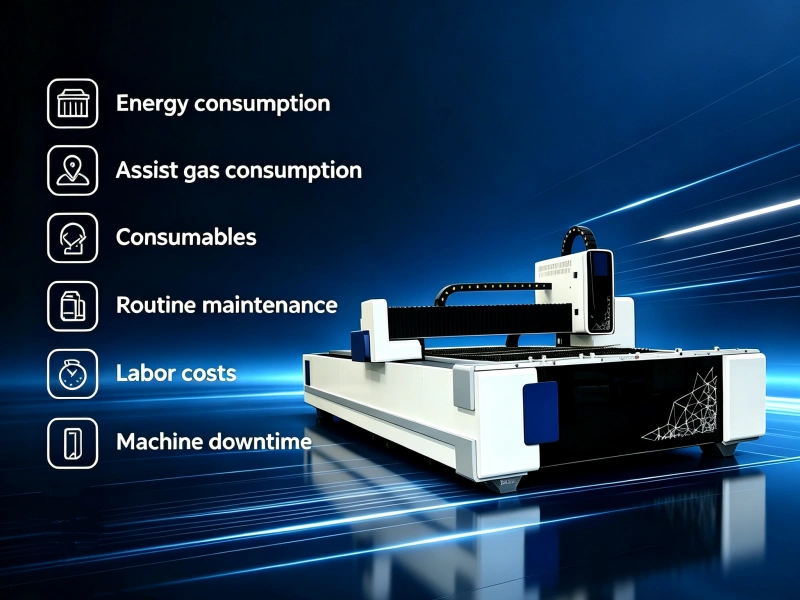
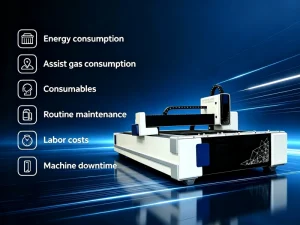
Key cost drivers include:
- Energy consumption
- Assist gas consumption
- Consumables
- Routine maintenance
- Labor costs
- Machine downtime
For production managers and purchasing teams, evaluating these costs together provides a more realistic picture of the machine’s long-term value.
How to Reduce the Operating Costs of a Fiber Laser Cutting Machine?
1. Choose the Right Laser Power
Higher laser power does not automatically mean lower production costs.
A 12kW machine may be highly productive for heavy plate processing, but it can be unnecessary for a workshop mainly cutting thin sheet metal.
Choose the power level according to your material, thickness, production volume, and required cutting speed. Depending on the application, options such as 1.5kW, 3kW, 6kW, and 12kW may be suitable for different production requirements.
The right power prevents over-investment and unnecessary energy consumption while providing sufficient cutting capacity.
2. Improve Material Utilization
Material is often one of the largest costs in sheet metal fabrication.
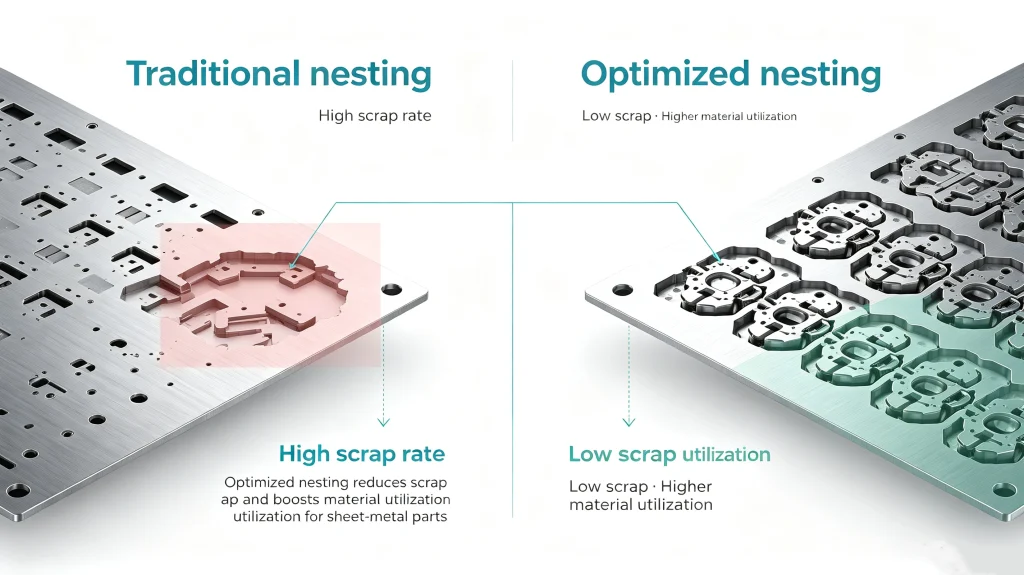
Optimized nesting can arrange parts more efficiently on each sheet, reducing unused areas and scrap. Better material utilization means more finished parts from the same amount of raw material.
For high-volume production, even a small improvement in nesting efficiency can generate meaningful savings over time.
3. Optimize Assist Gas Consumption
Assist gas also contributes to the running cost of laser cutting.
Depending on the material and cutting requirements, manufacturers may use oxygen, nitrogen, or compressed air. Choosing the appropriate gas and optimizing pressure and flow can help control consumption while maintaining the required edge quality.
The goal is not simply to use less gas, but to achieve the right balance between gas consumption, cutting performance, and production requirements.
4. Perform Preventive Maintenance
Regular maintenance helps prevent small component issues from becoming expensive production problems.
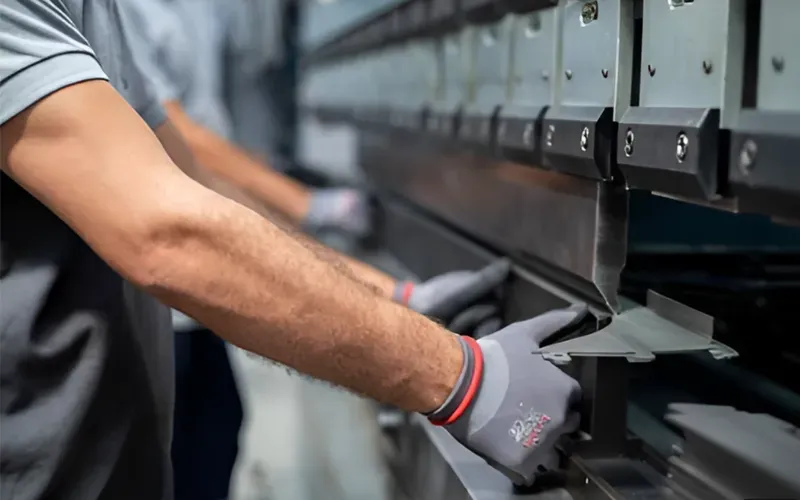
Important maintenance items may include:
- Protective lenses
- Cutting nozzles
- Linear guides
- Lubrication systems
- Filters
Following the manufacturer’s maintenance recommendations can help maintain cutting accuracy, reduce unexpected failures, and extend component service life.
5. Use High-Quality Consumables
The cheapest consumables are not always the most economical choice.
For example, a low-cost nozzle with a short service life or inconsistent performance can affect the laser beam and cutting quality. This may result in more frequent replacement, defective parts, and additional setup time.
High-quality consumables can provide more stable performance and help reduce the total cost per part.
6. Reduce Machine Downtime
Every hour of unexpected downtime can affect production schedules and delivery commitments.
Manufacturers can reduce downtime through:
- Proper operator training
- Regular maintenance
- Timely replacement of worn components
- Sufficient spare parts availability
- Responsive technical support
For industrial users, reliable after-sales service is therefore not an optional benefit—it is part of controlling long-term operating costs.
7. Choose Energy-Efficient Equipment
Modern fiber laser technology generally offers lower energy consumption than traditional CO₂ laser systems for many metal-cutting applications.
Energy efficiency also depends on the machine’s overall design, including its laser source, servo system, drive components, and CNC control.
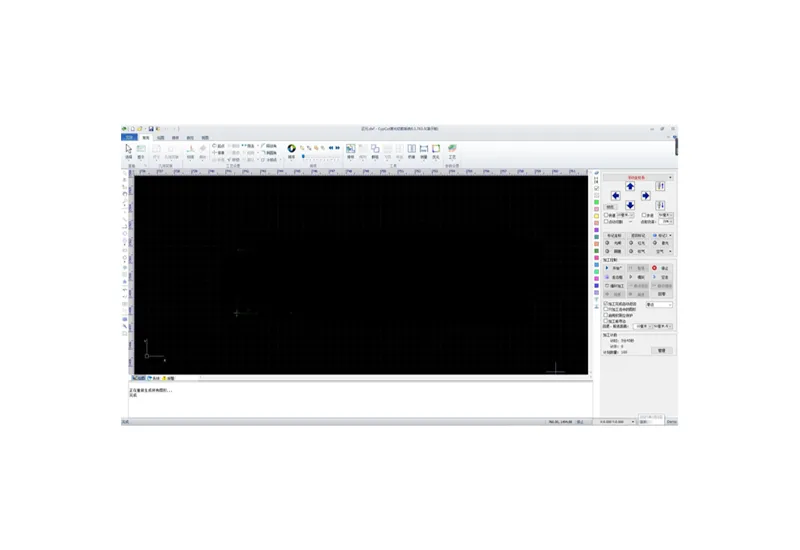

Choosing equipment designed for efficient operation can help manufacturers reduce electricity costs while maintaining the required production performance.
What Else Should Buyers Consider When Purchasing a Fiber Laser Cutting Machine?
Operating cost should be considered together with machine quality and supplier capability.
Before making a purchase, buyers should also evaluate:
- Machine frame: Structural rigidity affects stability and long-term cutting accuracy.
- CNC control system: A reliable control system supports efficient operation and precise processing.
- Cutting head: Quality and compatibility directly affect cutting performance and consumable life.
- Servo motors: Stable motion control is important for positioning accuracy and productivity.
- Technical support: Professional support can reduce troubleshooting time and downtime.
- Spare parts supply: Reliable spare parts availability helps maintain continuous production.
- OEM capability: Custom configurations can better match specific production requirements.
Looking at these factors together provides a better basis for comparing the actual value of different machines.
Why Choose a Reliable Fiber Laser Cutting Machine Manufacturer?
The manufacturer you choose can have a direct impact on your machine’s long-term operating costs.
A reliable supplier should provide:
- Stable machine quality
- OEM customization
- CE compliance
- ISO quality management
- Professional technical support
- Reliable spare parts supply
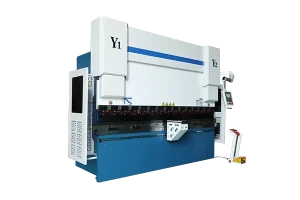
LONGBOW provides fiber laser cutting machines alongside CNC press brakes and shearing machines, allowing customers to source multiple sheet metal processing solutions from one experienced manufacturer.

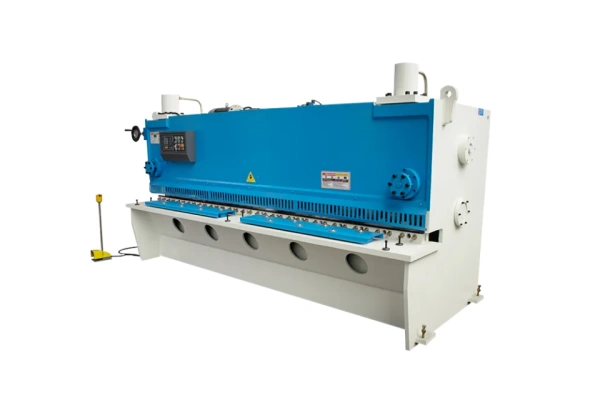
With a focus on manufacturing quality, customization, international market requirements, and after-sales support, LONGBOW helps customers select equipment based on their actual production needs rather than simply the initial purchase price.
Conclusion
Reducing the operating cost of a fiber laser cutting machine starts with looking beyond the purchase price.
Choosing the right laser power, improving material utilization, controlling assist gas consumption, using quality consumables, maintaining the machine properly, and minimizing downtime can all contribute to lower long-term costs.
For manufacturers, the best investment is not necessarily the machine with the lowest price, but the solution that delivers stable performance, efficient production, manageable maintenance costs, and a strong long-term return on investment.
If you are planning to purchase or upgrade a fiber laser cutting machine, contact LONGBOW to discuss a configuration suited to your materials, production volume, and operating requirements.