For companies investing in sheet metal fabrication equipment, choosing the right sheet metal machinery supplier can be as important as selecting the machines themselves. A supplier may be responsible not only for equipment delivery, but also for installation, commissioning, training, technical support, spare parts, and long-term service.
For buyers building a new production line or expanding an existing factory, an important question is whether to source all equipment from one supplier or work with several manufacturers.
Both approaches have advantages. The better choice depends on your equipment requirements, production plans, technical resources, and procurement strategy.
Why Does the Choice of Sheet Metal Machinery Supplier Matter?
Sheet metal machinery is a long-term investment. The supplier you choose can influence the efficiency of your procurement process as well as the operation of the equipment after installation.
When evaluating a sheet metal machinery supplier, buyers should consider more than machine specifications and purchase price.
Key factors include:
- Equipment selection: Can the supplier provide machines suitable for your materials, thicknesses, and production requirements?
- Installation and commissioning: Can the equipment be installed and tested efficiently?
- Operator training: Does the supplier provide guidance for machine operation and basic maintenance?
- Maintenance and spare parts: Are replacement parts and technical support available when needed?
- Technical support: Can the supplier help troubleshoot equipment problems and provide operating guidance?
- Long-term cooperation: Can the supplier support future equipment upgrades or production expansion?
A supplier with broader capabilities can simplify procurement and reduce the number of technical and commercial contacts involved in a project.
One Supplier vs Multiple Suppliers: What Are the Differences?
The main difference is the level of coordination required throughout the procurement and service process.
| Factor | One Supplier | Multiple Suppliers |
| Procurement Process | One main contact and simpler coordination | Multiple quotations, contacts, and contracts |
| Equipment Compatibility | Easier to coordinate equipment specifications | Potential compatibility differences |
| Installation & Commissioning | Usually easier to coordinate | Different suppliers may require separate arrangements |
| After-Sales Service | One service window | Responsibility may be divided between suppliers |
| Spare Parts | Easier to standardize | Different brands and specifications may be involved |
| Overall Management | Lower project management complexity | More flexibility but higher coordination requirements |
| Best For | New lines, factory expansion, one-stop procurement | Specialized equipment or existing brand requirements |
This does not mean that one supplier is always better. Instead, each model fits different procurement situations.
When Should You Choose One Sheet Metal Machinery Supplier?
Building a New Production Line
If you are setting up a new sheet metal production line, working with one experienced supplier can simplify equipment planning.
Instead of coordinating different manufacturers for each machine, buyers can discuss the overall production requirements with one supplier and evaluate suitable equipment as a complete solution.
Expanding an Existing Factory
Factory expansion often involves adding several types of equipment. Using one supplier for multiple machines can reduce communication between different equipment manufacturers and make project coordination easier.
International Procurement
For overseas buyers, supplier coordination can become more complicated because of shipping, installation, documentation, communication, and after-sales support.
A reliable supplier with international export experience can provide a more centralized procurement process.
Limited Technical Resources
Companies without a large engineering or maintenance team may benefit from having one supplier responsible for several machines. A single technical contact can make troubleshooting and service communication more straightforward.
Long-Term Production Planning
If your company expects to purchase additional equipment in the future, establishing a relationship with one capable supplier may also make future procurement easier.
When Should You Choose Multiple Suppliers?
A multiple-supplier strategy can be more appropriate when your production requirements are highly specialized.
Specialized Equipment Requirements
You may need a particular machine technology that is only available from a specialist manufacturer. In this case, using different suppliers can provide access to more suitable solutions.
Existing Equipment Brands
If your factory already uses specific brands of CNC systems or machinery, continuing with the same brands may simplify operator training, programming, and maintenance.
Comparing Different Solutions
Some buyers prefer to compare machines from several manufacturers before making a final decision. This can be useful when evaluating different technologies, specifications, and price levels.
Phased Equipment Procurement
If equipment is purchased in different stages according to production demand or budget, multiple suppliers may be involved naturally.
Therefore, the best procurement strategy is not simply about choosing one supplier or many. It should match the actual production and purchasing requirements of your company.
What Should Buyers Look for in a Sheet Metal Machinery Supplier?
Whether you choose one supplier or multiple manufacturers, several factors should be evaluated before placing an order.
Manufacturing Experience
Look for a manufacturer with established experience in sheet metal machinery production. Manufacturing experience can be an important indicator of production capability and technical knowledge.
Product Range
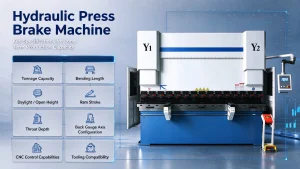
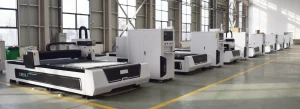
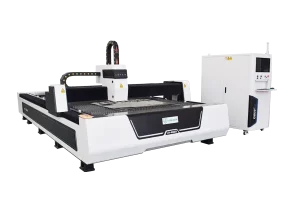
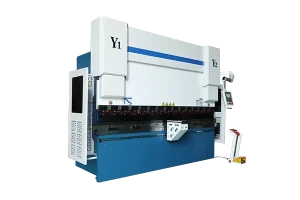
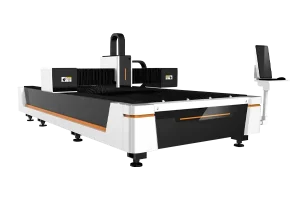
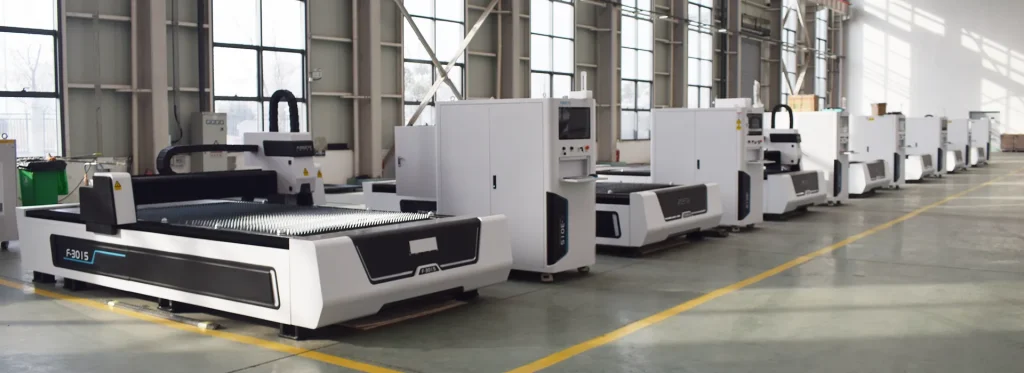
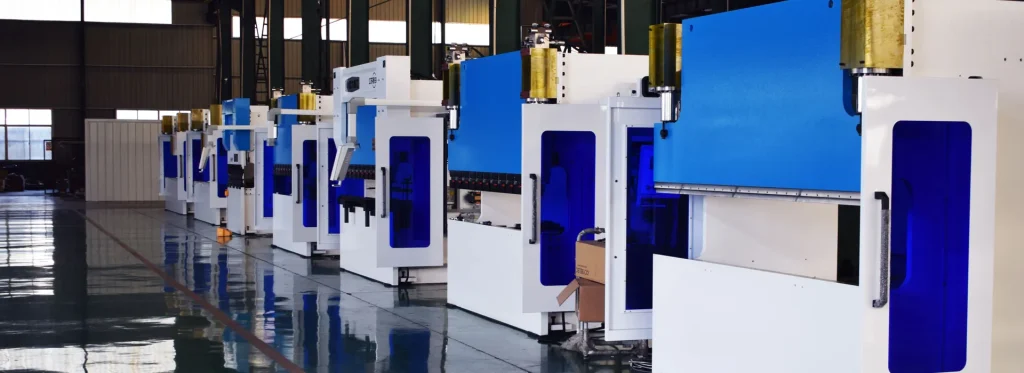
A supplier offering multiple categories of sheet metal machinery can be more convenient for buyers who need several machines for one project. LONGBOW’s CNC press brakes, 100% electric CNC press brakes, shearing machines, and laser cutting machines, providing options for companies building or expanding sheet metal processing capacity.


OEM/ODM Capability
OEM and ODM services are valuable for distributors, equipment integrators, and brands that require customized machine configurations or specifications. LONGBOW has experience providing OEM/ODM solutions for international customers, making customization easier to integrate into the procurement process.
CE and ISO Certification
For international procurement, buyers should check whether the supplier and equipment meet the certification requirements of the target market. CE compliance can be particularly important for equipment supplied to European markets.
Technical Support and Spare Parts
Before purchasing, confirm how the supplier handles installation, technical questions, maintenance guidance, and spare parts. These services can have a direct impact on equipment downtime.
Global Export Experience
A supplier experienced in international markets is generally more familiar with export documentation, customer communication, packaging, and overseas project requirements.
Why Consider a One-Stop Sheet Metal Machinery Supplier?
The main advantage of one-stop procurement is simpler project management.
Instead of managing separate suppliers for different machines, buyers can work through one primary supplier for equipment selection, production, delivery, installation, training, and after-sales communication.
The process of LONGBOW can be viewed as:
Equipment Selection → Production → Installation → Training → Operation → Maintenance → Spare Parts → Technical Support
This approach can help reduce communication costs, simplify project coordination, and make after-sales responsibility clearer.
For companies planning a complete production line, these advantages can become more important than small differences in the initial purchase price.
Conclusion
Choosing between one supplier and multiple suppliers depends on the complexity of your production requirements.
For new factories, complete production lines, and large-scale expansion projects, one experienced sheet metal machinery supplier can provide simpler procurement and more centralized technical support. Multiple suppliers may be more suitable when you require highly specialized equipment, specific brands, or phased procurement.
The key is to evaluate the supplier based on more than the initial machine price. Manufacturing capability, equipment range, technical support, certification, spare parts, and long-term service should all be part of the purchasing decision.