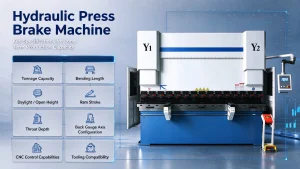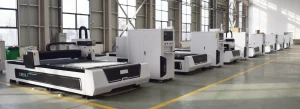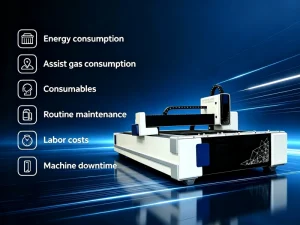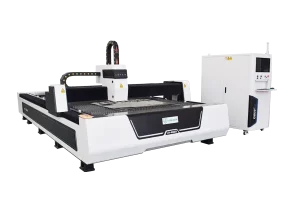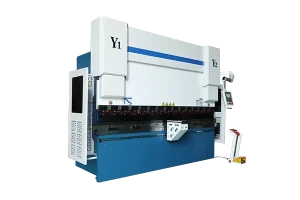

When selecting an electric press brake machine, the choice goes beyond just picking a model from the catalog. This decision impacts your operational efficiency, production quality, and even the long-term sustainability of your business. To make an informed decision, it’s important to consider several key factors. In this article, we’ll guide you through the critical elements you should keep in mind when choosing the right electric press brake machine for your needs.
Importance of Choosing the Right Electric Press Brake Machine
Choosing the right electric press brake machine can significantly impact the productivity, precision, and overall operational efficiency of your metal processing tasks. With the right machine, you can reduce production costs, improve bending accuracy, and maximize output. However, an ill-suited press brake can lead to inefficiencies, higher operational costs, and increased downtime. Therefore, it’s essential to thoroughly evaluate several important factors to ensure your investment aligns with your business needs and production goals.
1. Material Compatibility
When choosing an electric press brake machine, it’s important to match the machine’s capabilities with the types of materials you’ll be processing. Different materials, due to their unique properties such as hardness, flexibility, and thickness, require different bending forces and tooling setups.
- Steel: Due to its strength and versatility, steel is the most commonly used material in metalworking. A medium-tonnage press brake (30-60 tons) is suitable for light steel, while thicker steel requires higher tonnage (100 tons or more).
- Aluminum: Known for being lightweight and corrosion-resistant, aluminum is softer and requires less force. Typically, a 30-60 ton press brake is sufficient for aluminum bending.
- Stainless Steel: Due to its hardness, stainless steel is more challenging to bend. Higher tonnage (80-100 tons) and precise control are crucial for accurate bending.
- Copper and Brass: These materials require special tooling to prevent surface damage. A 30-50 ton machine is ideal for bending thin sheets of copper or brass.
- Titanium: Titanium is hard and prone to work hardening, requiring a high-tonnage (100 tons or more) press brake with high precision.
Choosing an electric press brake capable of handling the thickness and hardness of your materials is critical. Understanding the properties of the materials you work with helps ensure the best machine choice for high-quality bending and efficient production.
2. Bending Capacity
The bending capacity of a press brake machine refers to its ability to bend metal sheets of varying thicknesses and materials. Typically, this is specified by the machine’s tonnage (measured in tons) and the working length (measured in meters). Before selecting a machine, assess the thickness and width of the materials you will be working with most frequently. If your production involves thicker or heavier materials, you’ll need a press brake with higher tonnage and a longer bed.
For instance:
- A 25-60 ton machine is suitable for light to medium gauge materials.
- A 100-250 ton machine is ideal for heavy-duty bending, suitable for thick steel sheets.
Always match the machine’s capacity with the types of metal you intend to work with, ensuring that the machine can handle the workload without causing unnecessary strain or errors.
3. Precision and Accuracy
In industries such as aerospace, automotive, and electronics, precision is crucial. The quality of the bending, including angle accuracy and repeatability, is vital to ensure that parts meet stringent specifications. Electric press brakes are typically more precise than their hydraulic counterparts, owing to their advanced control systems.
When evaluating precision, check the following:
- CNC control systems: Most electric press brakes feature computer numerical control (CNC) systems that allow for high precision, reducing human error and increasing repeatability.

- Back gauge positioning: The back gauge system helps position the material precisely, and its accuracy is crucial for achieving uniform bends and minimizing errors.

- Angle control: Some advanced machines offer automatic angle correction, enhancing overall bending accuracy.
4. Speed and Productivity
Speed is a key factor in production efficiency. While electric press brakes are typically faster than hydraulic press brakes due to their quick response times, you must also consider the trade-off between speed and precision.
- Cycle time: Evaluate how quickly the machine completes a bending cycle. A faster cycle time means higher throughput, but it should not come at the expense of bending quality or accuracy.
- Rapid approach and return speeds: Machines with faster approach speeds reduce idle times, allowing the machine to return quickly to the starting position between cycles.
In a high-volume production environment, selecting an electric press brake that balances speed with precision can significantly improve productivity.
5. Energy Efficiency
Electric press brakes are generally more energy efficient than traditional hydraulic presses because they do not require a hydraulic system to operate, which can also reduce energy consumption and lower operating costs. Electric systems use less electricity, generate less heat, and operate more quietly.
- Energy Consumption: Electric press brakes use less electricity during operation than hydraulic press brakes, especially when equipped with servo-electric drives, which only consume energy when needed.
- Long-term Cost Savings: Over time, reduced energy costs can offset the higher initial purchase price of an electric press brake. This is especially beneficial for businesses looking to reduce operating expenses.
- Environmental Impact: Electric press brakes generate less waste heat and are generally quieter, making them a more environmentally friendly choice than traditional hydraulic presses.
6. Flexibility and Versatility
The versatility of an electric press brake can be determined by its ability to handle different bending tasks, materials, and tooling options. Some machines are more adaptable and can easily switch between various bending tools, while others may require additional adjustments or tooling changes.

Look for machines with:
- Tooling compatibility: Ensure the machine is compatible with a wide range of bending dies and punches for various bending angles and shapes.
- Adjustable back gauges and ram stroke: These features offer more flexibility when working with different sizes of material.
- Multi-axis control: This is especially useful if your operation involves complex or 3D bending applications.
7. Ease of Use and Operator Comfort
A machine that is difficult to operate can result in increased downtime, mistakes, and inefficient production processes. Ensure that the electric press brake has an intuitive interface and ergonomic features for the operator.
Consider:
- CNC interface: A clear and easy-to-navigate control system can drastically reduce the learning curve and enhance machine operation.
- User-friendly software: Modern CNC press brakes often come with software that can automatically adjust settings for specific tasks, improving productivity and reducing the potential for human error.
- Operator safety and comfort: Features like anti-collision systems, adjustable worktables, and emergency stop buttons can help ensure operator safety and comfort during long shifts.
8. Noise Levels
Operational noise can be a significant concern in any manufacturing facility. While electric press brakes are generally quieter than hydraulic machines, it’s still important to consider noise levels, particularly for workplace comfort and regulatory compliance.
- Operational noise: Electric press brakes are quieter during operation compared to hydraulic machines, which use pumps and high-pressure systems that generate noise.
- Workplace comfort: Reduced noise levels help improve the work environment, making it more comfortable for operators and reducing the need for hearing protection.
- Noise reduction features: Some press brake machines come with additional noise-reducing features, such as sound insulation and quieter components, which can further minimize the impact of noise.
Conclusion
By understanding your specific production requirements and considering the points discussed above, you can ensure that your investment in an electric press brake delivers the performance, efficiency, and reliability needed for your manufacturing operations. Whether you’re in the automotive, aerospace, or metalworking industries, the right press brake machine can significantly enhance your productivity and help maintain the highest quality standards.
If you are interested in any of the above-mentioned bending machine types, or if you want to know more about other bending machines, please visit our website or contact us at 0086 13399559018. We look forward to working with you!