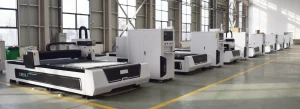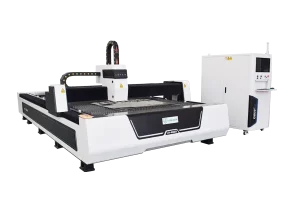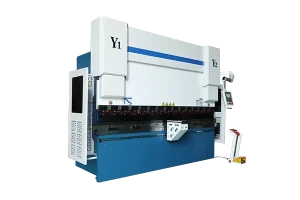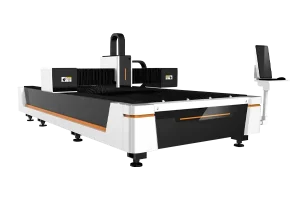
Introduction of Laser Metal Cutting Machines
Laser metal cutting machines are essential tools in a variety of industries, from automotive to aerospace, manufacturing, and more. Their precision and efficiency rely heavily on the control systems that guide their operation. These control systems are the “brains” of the machine, ensuring optimal performance, safety, and user experience. Today we will introduce you to the key systems of laser metal cutting machines.

1. CNC (Computer Numerical Control) Systems
At the heart of every laser cutting machine is the CNC system, which ensures precision and repeatability in cutting operations. CNC systems allow users to program complex cutting paths with ease, enabling intricate designs and patterns to be executed with minimal human intervention. These systems interface with CAD (Computer-Aided Design) software, translating digital designs into precise machine movements.
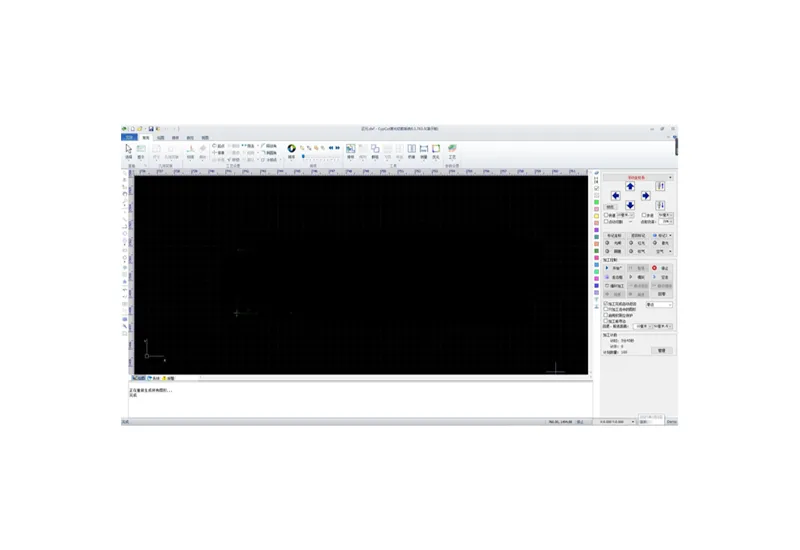
Intelligent operating system
Modern CNC systems are equipped with features like:
- High-speed data processing for faster cutting cycles.
- Real-time monitoring to adapt to cutting conditions.
- Automation capabilities, allowing seamless integration with robotic arms or material handling systems.
2. Motion Control Systems
Laser cutting requires precise movement of the laser head and workpiece, which is achieved through advanced motion control systems. These systems coordinate the axes of the machine—typically X, Y, and sometimes Z—to ensure smooth and accurate laser paths.

Special cutting head for optical fiber
Key components of motion control systems include:
- Servo motors for rapid and precise movements.
- Linear guides and ball screws, which minimize vibration and positional errors.
- Feedback systems like encoders that monitor and correct positioning in real time.
By maintaining exact alignment and speed, motion control systems contribute to the high-quality edge finishes that laser cutting machines are known for.
3. Laser Power Control
The laser beam’s power must be carefully regulated to achieve the desired cut quality and material compatibility. Laser power control systems enable operators to adjust the beam’s intensity, optimizing it for various materials and thicknesses.
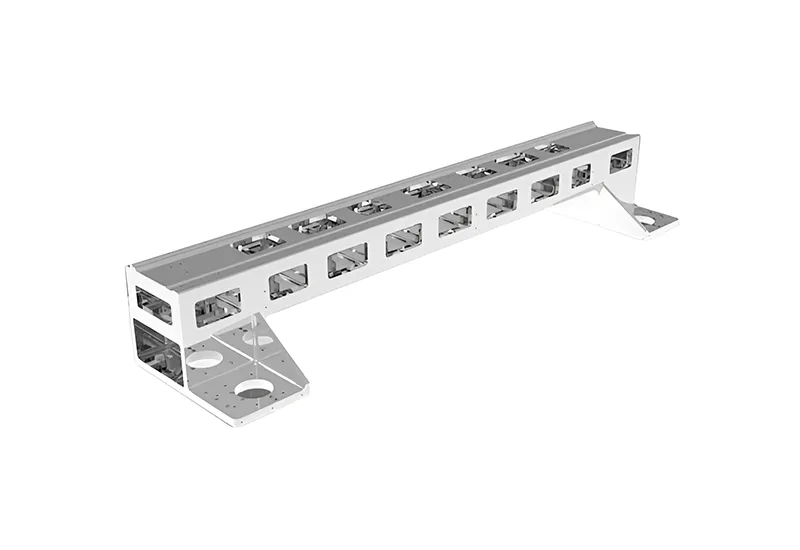
Beam
Highlights of laser power control include:
- Dynamic adjustment, which modifies power levels during cuts to handle corners, curves, or varying material thicknesses.
- Pulse and continuous wave modes, catering to different cutting applications.
- Thermal management to ensure consistent beam quality and prevent material distortion.
Advanced machines often feature AI-assisted power modulation, enhancing efficiency and reducing the risk of defects.
4. Gas Flow and Pressure Control
The role of assist gases, such as oxygen, nitrogen, or compressed air, is critical in laser cutting. These gases not only help in the cutting process by blowing away molten material but also affect the quality of the cut. Gas flow and pressure control systems ensure optimal delivery of these gases.
Important aspects include:
- Automated gas switching, allowing seamless transitions between different gas types based on the cutting material.
- Pressure regulation to achieve clean cuts without excessive scorching or material deformation.
- Flow rate optimization, which conserves gas usage and reduces operating costs.
Efficient gas control enhances edge quality and extends the machine’s lifespan by preventing nozzle blockages.
5. Safety and Monitoring Systems
Safety is paramount in laser cutting due to the intense energy involved. Modern laser cutting machines are equipped with robust safety and monitoring systems to protect operators and ensure machine reliability.
These systems typically include:
- Enclosed cutting areas with protective glass to contain laser radiation.
- Emergency stop buttons and interlock systems to prevent accidents.
- Real-time monitoring sensors, which detect anomalies such as beam misalignment or overheating.
- Dust and fume extraction units, maintaining a clean and safe work environment.
Additionally, many machines are designed to comply with international safety standards, providing users with peace of mind during operation.
Conclusion
Laser metal cutting machines integrate CNC systems, motion control, laser power modulation, gas management, and safety measures to deliver superior performance. These systems work together to achieve precise cutting, increase productivity, and ensure user safety.

As a leading laser metal cutting machine manufacturer in China, we will provide the best laser metal cutting solution based on your specific needs. If you need it, you are welcome to visit our website or contact us at 0086 133 9955 9018. We look forward to working with you!