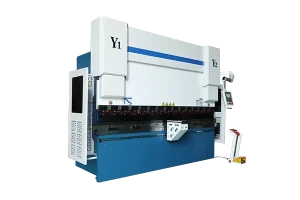
There are two main types of CNC press brakes commonly used in the sheet metal industry: hydraulic CNC press brakes and electric CNC press brakes.. While both have their own advantages, each type is suitable for different manufacturing needs. In this article, we will compare the main advantages of electric CNC press brakes and hydraulic CNC press brakes to help you decide which press brake is best for your operation.
What Is a CNC Press Brake?
A CNC press brake is a machine used for bending sheet metal with great precision. It uses a punch and die to apply pressure to the material, shaping it into the desired angle. The machine is controlled by a Computer Numerical Control (CNC) system that enables operators to program specific bending sequences, angles, and material thicknesses for consistent results.
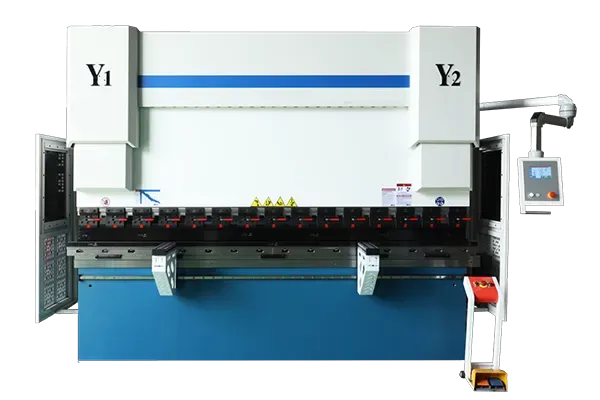
Hydraulic CNC Press Brake
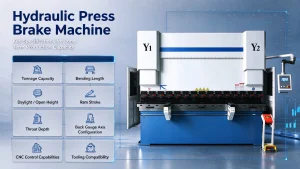
Hydraulic press brakes have been the industry standard for decades, and for good reason. They use a hydraulic system to generate the force necessary to bend metal. Hydraulic fluid is pumped into cylinders, which push the ram that holds the punch down onto the workpiece.
Key Benefits of Hydraulic CNC Press Brakes:
- High Force Capacity: Hydraulic press brakes are renowned for their ability to generate significant bending force. This makes them ideal for heavy-duty applications, especially when working with thick or hard materials like steel.
- Versatility: Hydraulic press brakes can handle a wide range of materials and thicknesses, making them versatile across many industries, including aerospace, automotive, and construction. Their ability to adapt to various bending requirements makes them a go-to choice for many manufacturers.
- Established Technology: Hydraulic technology has been around for years and is proven to deliver reliable performance. With established maintenance protocols and easily accessible components, hydraulic press brakes are familiar to most technicians and operators.
- Cost-Effective: While the initial investment for a hydraulic press brake may be higher than for an electric one, they generally offer a lower cost per ton of bending force. For operations that require a high volume of bending, hydraulic machines can prove to be a more cost-effective solution in the long run.

Hydraulic system
Electric CNC Press Brake
Electric CNC press brakes represent a newer technology that relies on electric motors to generate the force required to bend the material. These press brakes use servo-driven systems, which are highly efficient and precise.

Key Benefits of Electric CNC Press Brakes:
- Energy Efficiency: One of the most significant advantages of electric CNC press brakes is their energy efficiency. Unlike hydraulic models, which require constant power for the hydraulic pump, electric press brakes only consume energy when the press is in operation. This leads to lower power consumption, making electric press brakes an environmentally friendly choice.
- Precise Control: Electric press brakes provide exceptional precision in movement and position control. The servo-driven motors allow for finer adjustments and more consistent results over time, making them an excellent choice for high-precision applications, such as those found in electronics or medical device manufacturing.
- Lower Maintenance Costs: Electric CNC press brakes have fewer moving parts compared to their hydraulic counterparts, which leads to reduced wear and tear. With no hydraulic fluid to replace or maintain, the maintenance costs for electric press brakes are typically lower. This can translate to fewer downtime periods and lower overall operational costs.
- Quieter Operation: Electric press brakes operate much quieter than hydraulic systems, which are known for their loud hydraulic pumps. This makes them a better option for companies looking to maintain a quieter and more comfortable working environment.
- Improved Accuracy and Repeatability: Electric CNC press brakes excel in situations where consistent, repeatable results are crucial. Their ability to fine-tune and maintain exact positioning makes them ideal for batch production, prototyping, and operations requiring highly accurate bends.
- Smaller Footprint: Due to their electric motors and more compact design, electric CNC press brakes typically have a smaller footprint compared to hydraulic models. This can be a major benefit in factories where space is limited or where multiple machines need to be placed in close proximity.
Hydraulic CNC Press Brake vs. Electric CNC Press Brake
| Feature | Hydraulic CNC Press Brake | Electric CNC Press Brake |
| Power Consumption | Higher due to constant pump operation | Lower, only uses energy during operation |
| Force Capacity | High, suitable for thick materials | Moderate, but sufficient for most standard applications |
| Maintenance | Higher, due to hydraulic components and fluid | Lower, fewer components, no hydraulic fluid |
| Cost | Typically lower initial cost | Higher initial cost, but long-term savings |
| Precision | Good, but limited by mechanical components | Excellent, with servo motors providing fine control |
| Environmental Impact | Higher, due to energy waste and hydraulic fluid use | Lower, more energy-efficient and eco-friendly |
| Noise Level | High due to hydraulic pump | Low, quieter operation |
| Space Requirements | Larger footprint due to hydraulic system | Smaller footprint, more compact design |
Which Is the Right Choice for You?
Go with a hydraulic CNC press brake if you need a machine capable of high-force bending for thicker materials and heavy-duty applications. It’s also the better choice if your operation requires versatility and flexibility to handle a wide variety of materials and thicknesses.
Choose an electric CNC press brake if energy efficiency, low maintenance, and precise control are your primary concerns. Electric press brakes are ideal for applications that require consistent, high-precision bends and for businesses aiming to reduce energy consumption and operating costs.
Conclusion
Hydraulic and electric CNC press brakes each have their own advantages and are suitable for different types of operations. You can determine the CNC press brake that suits you based on your production needs.
For more press brake purchase guides, you are welcome to contact professional press brake experts at any time at 0086 13399559018, we will reply to you within 24 hours!