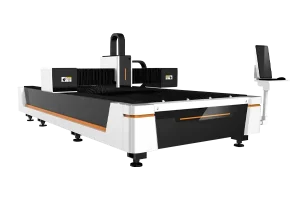
Selecting the correct cutting capacity and thickness range for your shearing machine is critical for achieving precise cuts, maintaining operational efficiency, and reducing downtime.

1. Understanding Material Properties
The cutting capacity of a shearing machine largely depends on the properties of the material you plan to process. Common materials include:
- Mild Steel: Easier to cut with moderate force; most machines list this as the baseline material for capacity ratings.
- Stainless Steel: Harder and requires approximately 50% more cutting force than mild steel of the same thickness.
- Aluminum: Softer and requires less cutting force but may demand sharper blades to prevent deformation.
- Brass and Copper: Softer than steel but denser, requiring appropriate cutting angles to avoid wear on blades.
Key Tip: Always check the machine’s capacity for your specific material. For example, a machine rated for 10mm mild steel might only cut 6mm stainless steel effectively.
2. Maximum Cutting Thickness and Margins
Manufacturers typically specify the maximum cutting thickness their machines can handle for different materials. It’s important to select a machine that accommodates your needs while leaving some margin for flexibility:
- If you frequently cut 8mm thick mild steel, opt for a machine rated for 10mm.
- For diverse operations, consider a machine with adjustable blade clearance to handle varying thicknesses without compromising cut quality.
Key Tip: Avoid pushing a machine to its maximum capacity regularly, as this can increase wear and reduce its lifespan.

3. Cutting Length and Sheet Size
The cutting length determines the maximum width of the material the machine can process in one pass. To optimize efficiency:
- Match the cutting length to the standard sheet size you use (e.g., 4×8 feet or 5×10 feet).
- For custom applications, consider oversizing the cutting length to reduce the need for multiple passes or manual adjustments.
Example: A 6-foot shearing machine is ideal for processing standard-sized sheets in industries like HVAC or automotive manufacturing.
4. Blade Quality and Cutting Angles
Blades are the heart of a shearing machine, and their quality significantly affects cutting capacity. Pay attention to:
- Blade Material: Hardened steel or tungsten carbide blades offer durability and precision for tough materials like stainless steel.
- Blade Angle: Machines with adjustable rake angles allow better control over the cutting force and minimize burrs or distortion on thicker materials.
For instance, a smaller rake angle provides cleaner cuts for thinner sheets, while a larger angle reduces cutting force for thicker sheets.
5. Machine Power and Force
The type of shearing machine—mechanical, hydraulic, or pneumatic—determines its cutting force and operational capabilities:
- Mechanical Shearing Machines: Best for light materials and high-speed production but limited in capacity for thicker materials.
- Hydraulic Shearing Machines: Offer consistent force, making them ideal for cutting thicker and harder materials. They also provide better control over cutting pressure and blade clearance.
- Pneumatic Shearing Machines: Suitable for light materials and smaller operations but lack the power for heavy-duty applications.
Key Tip: For industrial operations requiring regular cutting of thick or hard materials, a hydraulic shearing machine is the most reliable choice.
6. Cutting Tolerances and Precision
Precision is a vital consideration, especially for industries like aerospace, electronics, or automotive manufacturing. Factors that influence precision include:
- Blade Clearance: Properly adjusted blade clearance prevents material deformation and ensures clean cuts. The clearance typically ranges from 5-15% of the material thickness.
- Back Gauge System: A digital or CNC-controlled back gauge improves accuracy by precisely positioning the material during cutting.
- Stroke Control: Machines with adjustable stroke length enhance efficiency for smaller cuts or repetitive tasks.
Key Tip: Invest in machines with advanced CNC controls if your operation requires high repeatability and tight tolerances.
7. Overloading Risks and Operational Durability
Frequently pushing a machine to its maximum rated capacity can lead to:
- Increased wear on blades and mechanical components.
- Reduced cutting precision over time.
- Potential breakdowns and unplanned downtime.
To avoid these issues:
- Choose a machine with a capacity at least 20% higher than your heaviest material needs.
- Regularly inspect and maintain blades, lubrication systems, and hydraulic components.
Conclusion
Determining the appropriate cutting capacity and thickness range of a shearing machine requires a detailed understanding of your materials and production volume.
If you still have questions about determining the cutting capacity and thickness range of a shearing machine, you are welcome to contact professional shearing machine experts at LONGBOW at any time, and we will provide you with customized solutions.