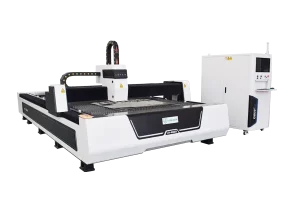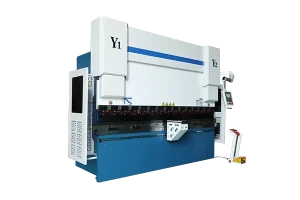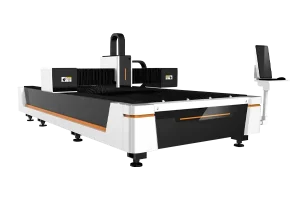

A 2D laser cutting machine is a powerful tool used to cut flat sheet materials with exceptional precision and speed. It’s widely applied in industries such as automotive, aerospace, electronics, and metal fabrication.
Choosing the right 2D laser cutting machine isn’t just about buying a high-tech device — it’s about aligning machine capabilities with your specific material and production needs. The wrong choice can lead to poor cut quality, wasted material, or costly downtime.
This article will guide you through the most important factors to consider when selecting a 2D laser cutting machine that suits the material you’re working with, ensuring optimal performance, longevity, and value.
6 Factors To Consider When Choosing a 2D Laser Cutting Machine
- Material Type and Thickness
Not all materials are created equal when it comes to laser cutting. The type and thickness of the material you plan to cut are among the most critical factors to consider. Materials like carbon steel, stainless steel, aluminum, brass, and copper each have different thermal properties, reflectivity, and hardness levels — all of which affect how a laser interacts with them.
For instance, reflective materials like aluminum and copper can bounce back laser beams, which may damage the laser source if the machine isn’t equipped for such materials. In these cases, fiber lasers are often preferred over CO₂ lasers because they are better suited for reflective surfaces.
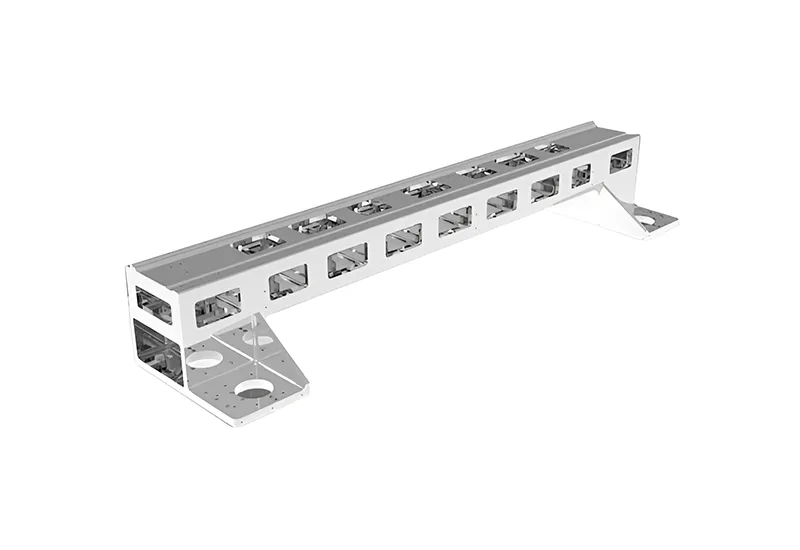
Material thickness also plays a role. Thinner sheets (under 5mm) can be cut with lower power lasers, while thicker materials may require lasers with powers ranging from 6kW to 12kW or more. However, boosting power for thick materials should be balanced with the need for precision if you’re working with intricate designs.
Understanding your material’s thermal conductivity, melting point, and surface finish will help you choose a machine that delivers consistent results without compromising quality.
- Laser Power and Wavelength
Laser power directly influences how deeply and fast a machine can cut. For example, a 1 kW laser may cut a 1mm stainless steel sheet effortlessly, but it will struggle with a 10mm thick steel plate. Higher wattage lasers offer faster processing speeds and greater cutting capabilities for thicker materials, but they also consume more energy and require more robust cooling systems.

Beyond raw power, the laser wavelength is another crucial variable. Fiber lasers typically operate at a wavelength around 1070 nm, which is ideal for metals due to its high absorption rate. In contrast, CO₂ lasers, which operate around 10,600 nm, are better suited for non-metallic materials like wood, plastics, and glass but are less effective with reflective metals.
Choosing the right combination of power and wavelength ensures better edge quality, cleaner cuts, and fewer secondary processes like deburring or sanding.
- Cutting Speed and Precision Requirements
Speed and precision are often seen as trade-offs, but modern 2D laser cutting machines are breaking that barrier with advanced motion control systems and intelligent software.
Cutting speed matters most when you’re dealing with high-volume production. A faster machine reduces cycle times, increases throughput, and shortens delivery schedules. However, speed should not come at the expense of quality, especially if your application involves complex patterns or small components.
Precision is equally important, especially in industries like electronics or medical device manufacturing, where even minor deviations can render a part unusable. The accuracy of a laser cutting machine is often measured in microns, and this level of detail depends on a combination of factors including the machine’s rigidity, servo motor quality, and the resolution of its control system.
Look for machines with integrated dynamic focusing systems, which automatically adjust the focal length of the laser based on material thickness and cutting pattern. This greatly enhances cut consistency.
If you require both high precision and speed, prioritize machines with linear motors, advanced sensors, and precision ball screws or magnetic levitation systems.
- Machine Bed Size and Cutting Area
The physical working area of a 2D laser cutting machine should match the size of the materials you plan to process. A mismatch can lead to inefficient loading/unloading, material waste, or the need to reposition sheets, which increases the chance of misalignment.

If you’re working with large-format materials like full-size metal sheets (e.g., 1500mm x 3000mm), you’ll need a larger cutting bed. Compact machines, on the other hand, are ideal for small parts or prototyping workspaces where floor space is limited.
An important point to note is that larger machines don’t just offer a bigger workspace — they often come with stronger frames and improved stability, which reduces vibration and helps maintain cutting accuracy across the entire sheet.
Ultimately, matching the bed size with your production needs will eliminate bottlenecks and ensure smoother operations from start to finish.
- Control System and Software
The brain behind any advanced 2D laser cutting machine is its control system — and this is where software compatibility comes into play. An intuitive, responsive, and feature-rich software interface can make a significant difference in productivity and cut quality.
Cutting software should support a wide range of file formats (like DXF, DWG, and AI) and should integrate seamlessly with your existing design or ERP systems. Features like automatic nesting, real-time simulation, and error detection can save time and reduce waste by optimizing material usage and minimizing cutting errors.
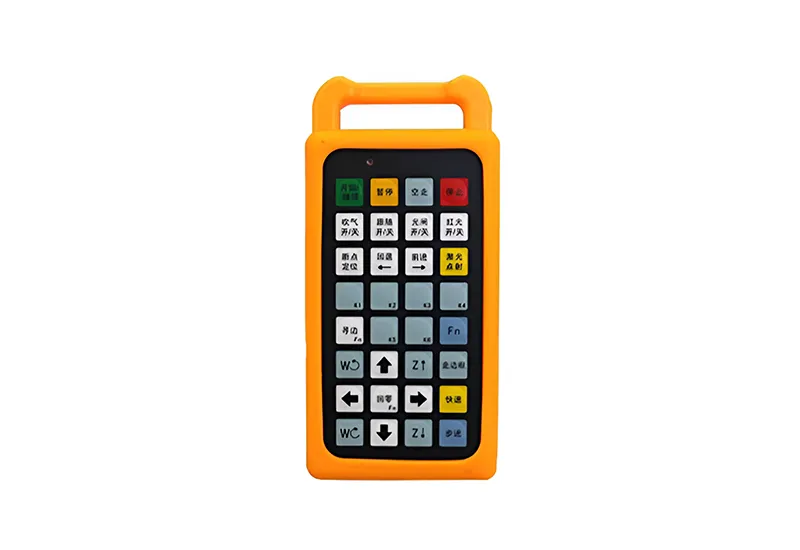
Some systems offer AI-based path planning, which adjusts cut order and direction to reduce heat buildup and distortion, especially on thin metals.
A good control system also enables remote monitoring, allowing operators to track machine performance, schedule maintenance, and even troubleshoot issues from a distance. This is particularly useful in smart factories where automation and data transparency are key.
2D Laser Cutting Machines’ Industry Applications
2D laser cutting machines are used across a broad spectrum of industries, each with unique requirements. In the automotive sector, they are used to cut intricate metal components like brackets, panels, and exhaust parts. The high precision and speed make them ideal for mass production while maintaining tight tolerances.
One real-world example is a mid-sized fabrication shop that upgraded to a high-power 2D laser cutting machine to meet growing demand for custom stainless steel parts. Previously reliant on plasma cutting, the shop faced difficulties with edge quality, especially on thinner materials. After switching to a fiber laser system with automated nesting software, the company reported a 40% reduction in material waste and a 60% increase in cutting speed. The improved precision also eliminated the need for secondary finishing in many cases, saving both time and labor costs.
Another success story comes from the HVAC sector, where a company producing ductwork needed a solution to keep up with rapid design changes and tight deadlines. They chose a modular laser cutting machine with a large-format bed and automatic loading systems. This setup allowed them to handle various sheet sizes without manual repositioning, speeding up production and reducing operator fatigue.
Conclusion
Whether you are cutting stainless steel for automotive parts, copper for electronic components, or aluminum for aerospace applications, having the right machine is critical. Choosing the right 2D laser cutting machine for your specific material can take into account factors such as the type and thickness of the material, the machine’s laser power, software capabilities, etc., to ensure efficient, precise, and cost-effective production.
If you are ready to improve your sheet metal processing efficiency or want to learn more about 2D laser cutting technology, contact LONGBOW today. Our team of experts is ready to provide tailored guidance based on your application needs. With a wide range of 2D laser cutting machines for a variety of materials and industries, we help businesses around the world achieve precision, efficiency, and long-term success.