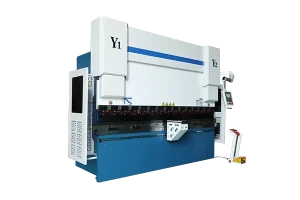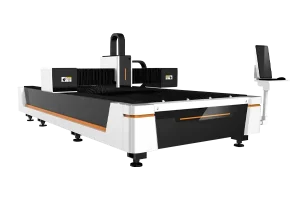
What is the 2D Laser Cutting Machine

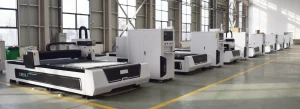
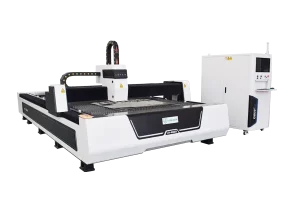
A 2D laser cutting machine is a precision tool used to cut flat materials using a concentrated beam of light. This high-energy laser beam is directed onto the surface of a material, heating it rapidly and melting or vaporizing it along a programmed path. The result is a clean, precise cut that requires little to no post-processing. These machines are widely used in industries where accuracy, repeatability, and efficiency are essential.
One common point of confusion is the difference between 2D and 3D laser cutting machines. A 2D laser cutter is designed to work on flat sheets or plates, cutting along the X and Y axes. It’s perfect for sheet metal fabrication, signage production, and other planar material applications. A 3D laser cutter, on the other hand, adds the Z-axis and is capable of cutting complex shapes on contoured or three-dimensional surfaces. These are typically used in industries like aerospace or automotive where curved components are common.
From architectural panels to electronic components, and from decorative elements to industrial machinery parts, the 2D laser cutting machine plays an essential role in modern manufacturing. Understanding how it works and what makes it valuable will help users make smarter decisions when choosing equipment for specific tasks.
Working Principle of 2D Laser Cutting Machine
At the core of a 2D laser cutting machine is the laser source, which generates a focused, high-intensity beam. This beam is directed through mirrors or fiber-optic cables to the focusing head, where it’s concentrated into a tiny point capable of melting or vaporizing the material. When the focused laser hits the material’s surface, it creates a molten pool, and a jet of gas (oxygen, nitrogen, or compressed air) is used to clear away the molten material for a clean cut.
Precision cutting is achieved with CNC (Computer Numerical Control) systems, which guide the laser head along pre-programmed paths based on design files, ensuring high accuracy—often within fractions of a millimeter. The motion system, including linear guides and servo motors, ensures smooth, stable movement, especially at high speeds. Advanced machines may feature dynamic focusing systems to adjust the focal point in real time, ensuring consistent results across different material thicknesses.

Two common types of lasers used in 2D cutting are fiber lasers and CO₂ lasers. Fiber lasers are ideal for cutting metals, including reflective ones like copper and aluminum, while CO₂ lasers are better for cutting non-metallic materials like wood, plastic, and acrylic.
This seamless integration of laser source, focusing system, motion control, and CNC software allows for precise, repeatable cutting, making 2D laser cutting machines essential for modern manufacturing and fabrication processes.
Main Advantages of 2D Laser Cutting Machine
High precision and High speed
One of the biggest advantages of a 2D laser cutting machine is its high precision. These machines can cut with tolerances as tight as a few microns, making them ideal for applications where accuracy is essential. The focused nature of the laser beam means even the most intricate designs can be executed cleanly and consistently. Speed is another major benefit. Modern 2D laser cutters can move at incredible rates while maintaining accuracy. This makes them well-suited for high-volume production tasks where time is a critical factor. The ability to process different materials without changing tools also reduces setup time and increases efficiency.
Non-contact cutting
The non-contact nature of laser cutting eliminates physical stress on the material. Since there’s no mechanical wear from cutting blades or tools, there’s less risk of warping or deformation, particularly with thin or sensitive materials. It also means less maintenance on moving parts, which contributes to lower operating costs.
Strong Adaptability
Another standout feature is material versatility. A single machine can cut a wide range of materials, including stainless steel, carbon steel, aluminum, brass, wood, acrylic, and even textiles. This adaptability is incredibly valuable for manufacturers handling diverse product lines or custom orders.
Save materials
Laser cutting is also known for its material-saving capabilities. Advanced nesting software arranges parts on the sheet to minimize waste. The narrow kerf width—the width of the cut—means parts can be placed closer together, optimizing material usage. Less waste not only reduces costs but also supports sustainability goals.
Overall, the combination of speed, accuracy, flexibility, and clean operation makes 2D laser cutting machines a smart investment for both small-scale workshops and high-volume production lines. They streamline workflows while delivering consistently high-quality results.
Application Fields of 2D Laser Cutting Machine
The flexibility and precision of 2D laser cutting machines make them invaluable across a wide range of industries.
Metal processing
In metal fabrication, they are used to cut steel, stainless steel, and aluminum plates into parts for machinery, structural components, and enclosures. Their ability to produce clean edges and tight tolerances makes them ideal for both decorative and functional metalwork.
Electronics industry
In the electronics industry, laser cutters are perfect for creating intricate patterns in PCB boards, conductive materials, and shielding components. Their precision allows manufacturers to meet the miniaturization and accuracy demands of modern electronic devices.
Automobile manufacturing
Automotive manufacturing also benefits from laser cutting. Components such as brackets, exhaust parts, and interior trim pieces are often produced using 2D laser cutters. These machines offer the repeatability and speed needed for mass production, while maintaining the quality standards demanded by the automotive sector.
Construction and decoration industry
The architectural and construction industries use laser cutting for decorative panels, façade elements, and custom signage. Architects and designers appreciate the ability to bring complex patterns and bespoke designs to life in various materials, including metals, wood, and composites.
How to Choose a Suitable 2D Laser Cutting Machine
Selecting the right 2D laser cutting machine depends on several key factors tailored to your application needs. Here’s a breakdown of the most important aspects to consider:
1. Laser Power
Laser power determines how thick and fast you can cut materials.
- 1kW to 3kW machines are ideal for cutting thin metal sheets efficiently.
- 6kW or higher is recommended for cutting thick steel plates or heavy-duty applications. Choosing the right power level prevents energy waste and reduces machine wear.

2. Cutting Speed and Precision
Your production goals and required level of detail should guide your decision.
- For high-precision or detailed cuts, choose machines with high positioning accuracy and advanced motion control systems.
- For high-volume manufacturing, prioritize faster cutting speeds and automation features to improve productivity.
3. Material Types
Different laser types are suited to different materials:
- Fiber lasers are excellent for cutting metals, including highly reflective materials like aluminum, brass, and copper.
- CO₂ lasers are better suited for non-metals such as wood, plastic, and acrylic. Some advanced machines offer hybrid configurations or interchangeable laser sources for versatility.
4. Cutting Bed Size
The size of the working area affects what you can process:
- A larger bed allows for cutting bigger sheets or multiple parts simultaneously, improving throughput.
- Compact machines are available for workshops with limited floor space while still offering professional-grade capabilities.

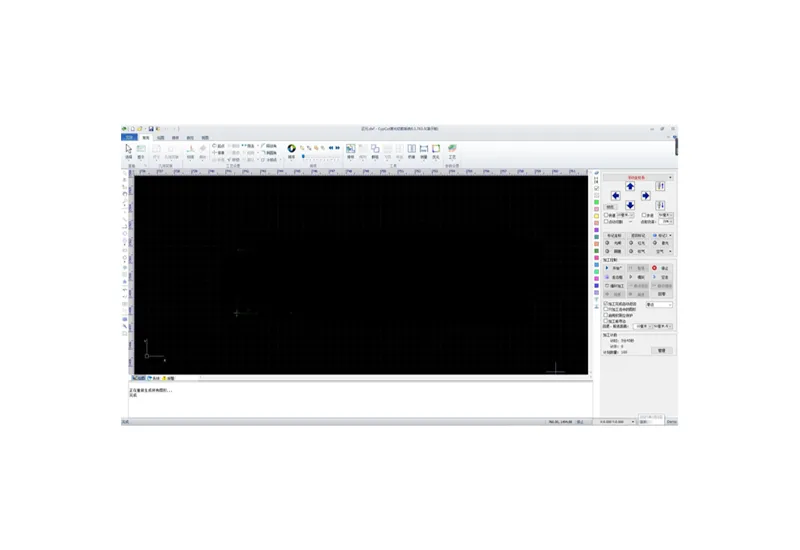
5. Software Capabilities
Often overlooked, software plays a vital role in performance and ease of use.
Look for features such as:
- Nesting optimization to minimize material waste
- Cut path simulation to avoid errors before processing
- Real-time monitoring and easy integration with CAD files (DXF, DWG formats)
6. Automation Features
Automation significantly improves operational efficiency and lowers labor costs. Useful features include:
- Auto-focus for precise depth control
- Material detection for optimal settings adjustment
- Automatic loading/unloading systems for streamlined workflow
Maintenance and Care of 2D Laser Cutting Machine
Regular maintenance is essential for ensuring high performance, extending machine lifespan, and minimizing downtime. Here’s what to focus on:
1. Laser Source (Fiber/CO₂)
- Keep clean and within proper operating conditions.
- Prevent dust accumulation and overheating.
- Perform regular inspections and recalibrations to maintain beam quality.
2. Optical Components (Lenses and Mirrors)
- Clean frequently to maintain precision.
- Use appropriate tools to avoid damage.
- Check and replace worn cutting heads and nozzles to ensure proper gas flow and cut quality.
3. Motion System
- Keep rails, guides, and belts free of debris.
- Lubricate moving parts regularly.
- Calibrate periodically to ensure accurate and smooth motion.
4. Cooling System
- Monitor coolant levels in air- or water-cooled systems.
- Clean filters and check for leaks to prevent overheating.
5. Exhaust and Ventilation
- Maintain airflow to remove smoke and fumes.
- Clean filters and ducts to ensure proper ventilation and air quality.
6. Software and Firmware
- Keep systems up to date for enhanced performance, features, and security.
Conclusion
From cutting thin aluminum for electronics to thick steel for automotive parts, 2D laser cutting machines can handle a wide range of materials with ease. Their non-contact cutting method ensures clean edges, reduces wear and minimizes waste.
Choosing the right model requires considering factors such as laser power, material compatibility, cutting bed size, software availability and support services. Once installed, proper maintenance ensures that your machine maintains optimal performance day after day.
If you are ready to learn about 2D laser cutting technology, contact LONGBOW today. We specialize in helping companies find the right sheet metal processing solutions. With a strong R&D background and rich experience in laser cutting systems, we are committed to providing high-performance machines and reliable support.