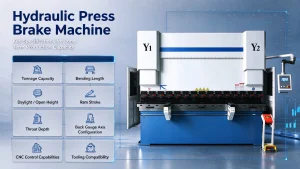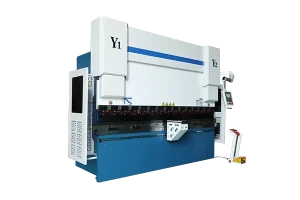
CNC press brakes provide precise sheet metal bends for industries such as automotive, aerospace, construction, and electronics. However, even the most advanced equipment can experience problems in its daily operations. These problems can lead to inconsistent bends, production delays, and even expensive material waste.
Understanding the common issues that affect CNC press brakes and knowing how to solve them is key to maintaining high productivity and extending the life of your machines. Whether you operate a compact CNC press brake in a small shop or run a large production line, the challenges are generally the same.
This guide explores the most common issues operators encounter, explains why they occur, and provides practical solutions. It also includes additional tips to help you optimize performance and reduce downtime.
Common Problems and Causes of CNC Press Brakes
Even with the precision and automation of a CNC press brake, certain problems can still arise during operation. These issues often stem from wear and tear, incorrect settings, or overlooked maintenance. Let’s explore the most common challenges and the potential reasons behind them.
- Bending Accuracy is Inadequate
When a CNC press brake doesn’t produce the expected results, poor accuracy is often the culprit. This can lead to angles that are too sharp or too shallow, which causes parts to be rejected or reworked.
Common reasons include:
- Worn or incorrectly installed dies: Tooling that no longer meets tolerance standards can distort the bend.

Choosing the suitable press brake tooling
- Material springback: Some metals naturally spring back after bending, changing the final angle.
- Servo or hydraulic system performance issues: Inaccurate ram positioning can affect precision.
- Inconsistent Bending Angles
Inconsistent angles across multiple parts can disrupt entire production batches. You may notice this issue when bending the same part repeatedly and getting slightly different results each time.
Possible causes:
- Incorrect bending force settings: Not enough or too much pressure can affect the final angle.
- Improper workpiece positioning: If the metal isn’t placed accurately against the back gauge, the bend will shift.
- Unstable cylinder pressure: Variations in hydraulic pressure can cause the ram to behave unpredictably.
- Surface Scratches or Damage on the Workpiece
Protecting the surface of a metal sheet during bending is essential, especially for exposed or decorative parts. Surface defects not only affect appearance but may compromise the part’s usability.
Common reasons:
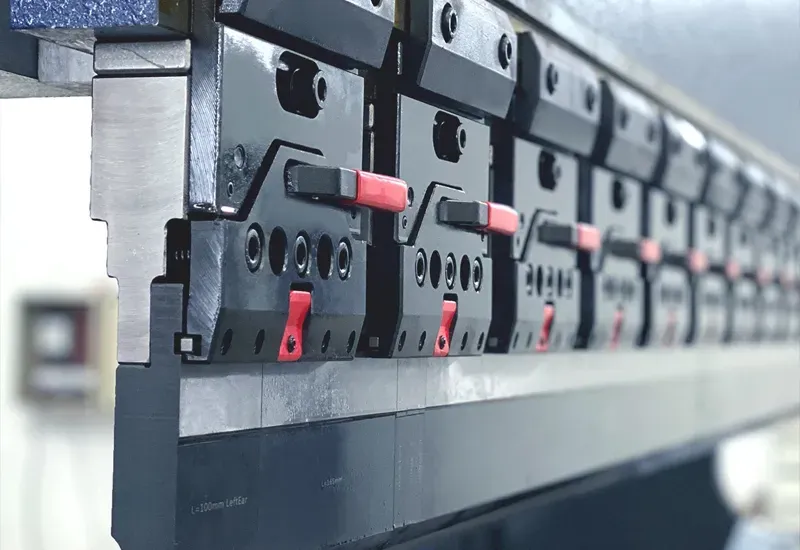
- Rough or damaged tooling: Worn punches or dies can scratch the metal as it bends.
- High friction between clamps and material: This can occur when there’s no protective layer or when pressure is uneven.
- Workpiece slippage: If the sheet moves during bending, it may drag across the tooling, resulting in scratches.
- Slow Return Speed or Failure to Return
Sometimes, after a bend is completed, the ram returns slower than expected, or not at all. This affects production speed and may indicate deeper mechanical issues.
Likely causes:
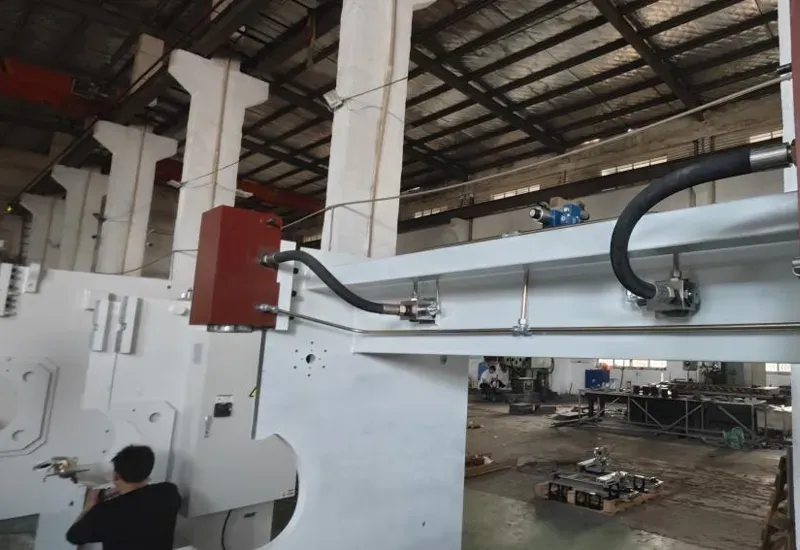
- Hydraulic leaks or blockages: Contaminated or degraded hydraulic oil can interrupt system flow.
- Damaged cylinders: Wear on the internal components of the cylinder can prevent smooth ram movement.
- Sensor or control system faults: Faulty feedback from sensors can keep the machine from completing its cycle.
- Excessive Vibration or Unusual Noise
Unexpected vibrations or noises are often the first signs that something is wrong. Ignoring them can lead to mechanical failure or safety hazards.
Possible reasons:
- Uneven machine installation: If the press brake isn’t level, it can vibrate under load.
- Loose components: Bolts, plates, or internal parts that aren’t properly secured can rattle during operation.
- Motor or hydraulic issues: Faults in these systems can produce abnormal sounds while running.
By identifying the root cause of these problems early, operators can save time, avoid unnecessary downtime, and maintain consistent bending quality. But what about the solutions? Let’s take a closer look.
Solutions to Common Problems
Once you’ve identified an issue with your CNC press brake, the next step is applying the right fix. Many common problems can be resolved quickly with regular inspections, proper maintenance, and a few smart adjustments.
- Improving Bending Accuracy
To enhance accuracy and avoid irregular bends:
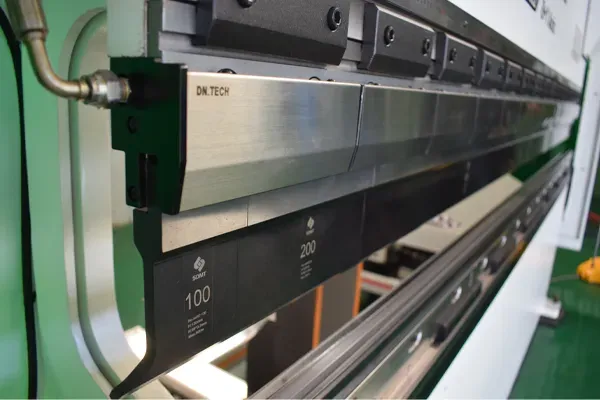
- Inspect and replace worn tooling: Regularly check punches and dies for signs of wear. Even small imperfections can cause big errors in the final bend.
- Refine servo and hydraulic system settings: Ensure your machine’s control system is properly calibrated. If needed, run diagnostic tools to verify alignment and pressure.
- Use high-quality material: Inferior or inconsistent sheet metal can produce unpredictable results. Choose materials with known springback characteristics and adjust parameters accordingly.
- Achieving Consistent Bending Angles
Maintaining uniformity across parts is critical in production. Here’s how to keep angles consistent:
- Activate automatic angle compensation: Most modern CNC press brakes allow for real-time angle adjustments based on feedback from previous bends.
- Calibrate the back gauge regularly: Verify its alignment and movement accuracy. Any deviation can affect the location of the bend line.
- Adjust parameters based on material type: Different metals respond differently to force. Tailoring your settings to each material helps reduce angle variation.
- Protecting the Workpiece Surface
To avoid scratches and surface damage:
- Maintain and polish the tooling: Clean tools after each shift and inspect them for burrs or imperfections.
- Apply protective film or pads: A thin layer between the metal and the die can prevent direct contact and reduce friction.
- Use soft clamping techniques: Lower clamping pressure when possible, especially on polished or coated metals.
- Solving Return Issues
If the ram is slow or fails to return:
- Flush the hydraulic system: Old or contaminated fluid can clog flow paths. Replace oil and clean filters to restore proper operation.
- Replace worn seals and cylinders: If components inside the hydraulic cylinder are damaged, they may need to be replaced.
- Check sensors and actuators: A faulty sensor can prevent the controller from recognizing when to lift the ram.
- Reducing Vibration and Noise
To ensure quieter and more stable operation:
- Level the machine base: Use precision leveling tools to ensure the press brake is sitting evenly on the floor.
- Tighten all mechanical fasteners: Loose bolts, rails, or panels can amplify vibrations.
- Schedule motor and pump inspections: Unusual noises from these components may signal internal wear or misalignment.
Most solutions to CNC press brake issues are preventative. With the right maintenance habits, many problems can be avoided entirely, extending the lifespan of your equipment and improving output quality.
Additional Suggestions for Improving the Performance of CNC Press Brakes
Solving technical issues is only part of the equation. To get the most out of your CNC press brake, it’s worth considering ways to optimize performance, improve operator skill, and reduce long-term costs.
- Embrace Advanced CNC Programming
Modern CNC press brakes are capable of much more than just basic bending. By using intelligent software and automated features, you can:
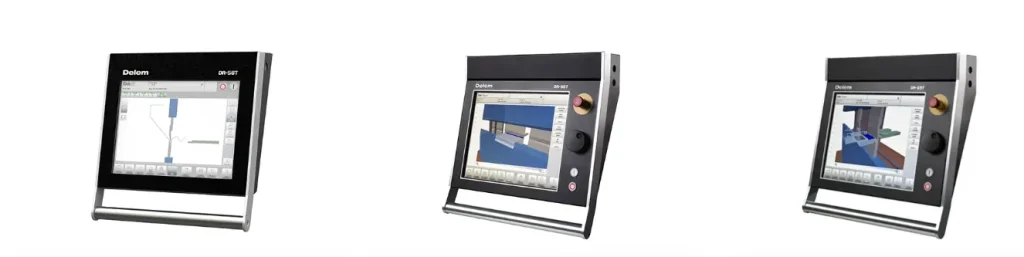
- Implement real-time compensation algorithms: These adjust for springback, material inconsistencies, and tool wear on the fly.
- Optimize bending sequences: Reducing unnecessary tool movements can speed up production and lower energy consumption.
- Simulate bends before production: Virtual testing helps avoid collisions and ensures the bending process is efficient and safe.
- Invest in Operator Training
Even the best machines are only as good as the people operating them. Skilled operators can quickly spot problems, make adjustments, and optimize output.
- Conduct regular training sessions: Focus on both technical skills and safety awareness.
- Teach operators how to interpret machine feedback: Understanding alarms, diagnostics, and system prompts can prevent breakdowns.
- Encourage knowledge sharing: Create a culture where experienced staff can mentor newer team members.
- Establish a Routine Maintenance Plan
A structured maintenance schedule can prevent many common problems and keep your press brake in peak condition.
- Perform daily checks: Monitor fluid levels, inspect tooling, and look for leaks or unusual noises.
- Schedule monthly inspections: Review machine alignment, sensor calibration, and back gauge accuracy.
- Replace worn parts proactively: Don’t wait for components to fail. Replace them based on usage and wear data.
By combining preventive care, smart programming, and skilled operation, you’ll get better results from your CNC press brake and minimize unscheduled downtime.
Conclusion
By understanding common CNC press brake problems and applying the right solutions, you can not only solve them but also prevent them. If you go a step further and invest in advanced programming tools, operator training, and a structured maintenance program, your CNC press brake will be more efficient and improve production capacity.
At LONGBOW, we design and manufacture high-performance CNC press brakes to meet the needs of real-world applications. We also provide technical support and guidance to help you maximize your investment. If you are looking to improve bending accuracy, reduce waste, and increase production efficiency, the LONGBOW team is ready to provide you with the right solutions and expertise.