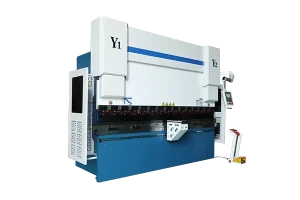
The precision press brake is an essential machine for achieving accurate and repeatable bends in metal fabrication. Choosing between a servo-electric or hydraulic precision press brake can have a significant impact on bending accuracy, energy efficiency, and production efficiency. This article explores the differences, advantages, and applications of both systems to help manufacturers make informed decisions.
Understanding Precision in Press Brakes
Precision in press brakes goes far beyond simple bending power. It involves:
- Repeatability: Ensuring every bend meets the same tolerance, even across long production runs.
- Accuracy: Producing bends at exact angles without springback or deviation.
- Speed: Achieving consistent results at high throughput.
- Energy efficiency: Reducing waste, operating costs, and environmental footprint.
The choice between servo-electric and hydraulic systems significantly impacts these factors.

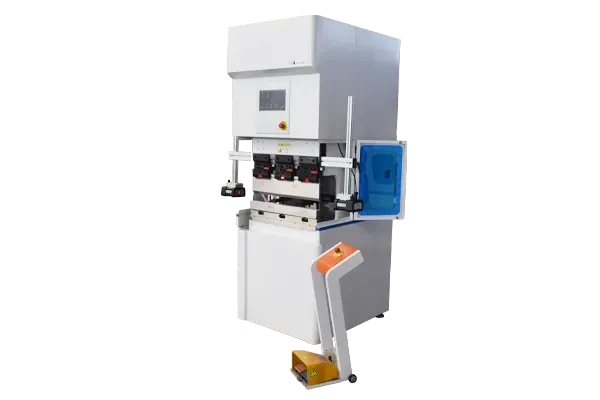
Servo-Electric Precision Press Brakes
Servo-electric press brakes rely on electric servo motors to drive the ram. These motors provide direct, controlled movement without the need for hydraulic oil, pumps, or valves.
Key Advantages
- Unmatched Accuracy – Servo drives deliver micron-level control, making them ideal for high-precision parts.
- Energy Efficiency – Power is consumed only during active movement, reducing overall energy use by up to 50% compared to hydraulics.
- Clean Operation – No hydraulic fluids mean fewer leaks, less maintenance, and a more environmentally friendly footprint.
- Quiet Operation – Reduced noise levels create a safer and more comfortable work environment.
Limitations
- Typically lower tonnage capacities (best suited for thin to medium sheet metal).
- Higher initial investment compared to entry-level hydraulic models.
Best for: Electronics enclosures, aerospace components, medical devices, and any application where micro-level precision is critical.
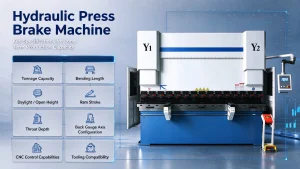
Hydraulic Precision Press Brakes
Hydraulic press brakes use fluid-driven cylinders to generate force. They have been the industry standard for decades, offering a balance of power and versatility.
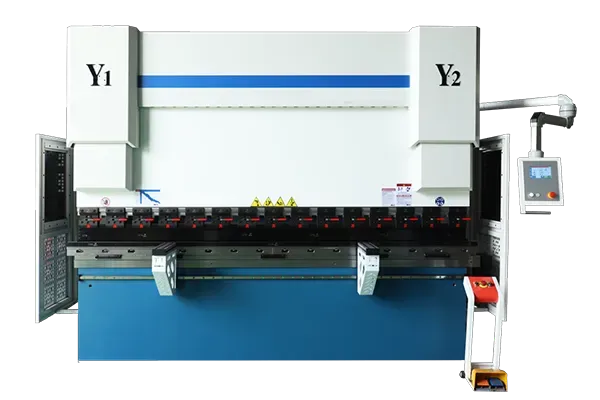
Hydraulic Precision Press Brakes
Key Advantages
- High Tonnage Capability – Handles heavy-gauge steel and large sheet sizes with ease.
- Proven Reliability – Established technology with wide availability of parts and technicians.
- Cost-Effective Entry – Lower upfront costs make them more accessible for small to mid-sized shops.
- Flexibility – Advanced CNC hydraulic systems now integrate angle measurement, crowning, and adaptive bending for improved precision.
Limitations
- Constant power consumption, even when idle, leads to higher energy use.
- Hydraulic oil requires regular maintenance and can pose environmental challenges.
- Slightly lower repeatability compared to servo-electric systems.
Best for: Heavy construction components, automotive chassis parts, shipbuilding, and large industrial projects requiring strength over micro-accuracy.
Servo-Electric vs. Hydraulic Precision Press Brake
| Feature | Servo-Electric Precision Press Brake | Hydraulic Precision Press Brake |
| Accuracy & Repeatability | Excellent (micron-level control) | High, but less than servo-electric |
| Energy Efficiency | Consumes power only when active | Consumes constant energy |
| Maintenance | Low (no fluids, fewer parts) | Higher (oil, seals, pumps) |
| Noise Level | Quiet | Louder |
| Tonnage Capacity | Low–Medium | Medium–High |
| Cost | Higher upfront | More affordable entry |
| Best Applications | Aerospace, electronics, medical | Construction, automotive, heavy industry |
Choosing the Right Precision Press Brake
The right choice depends on your production priorities:
- If your business values sustainability, energy savings, and ultra-high accuracy, a servo-electric precision press brake is the way forward.
- If your work requires raw power, heavy-duty bending, and cost-effective versatility, a hydraulic precision press brake remains a trusted option.
Forward-thinking manufacturers often integrate both systems into their operations—servo-electric for small, precise parts and hydraulic for heavy-gauge production.
Conclusion
When it comes to achieving precision in press brake operations, there is no one-size-fits-all solution. Servo-electric press brakes excel in precision, efficiency, and eco-friendliness, while hydraulic press brakes deliver power, reliability, and affordability. The best choice depends on your production demands, material types, and long-term business goals.
By investing in the right precision press brake, manufacturers can ensure consistent quality, maximize efficiency, and stay competitive in an ever-evolving industry.
Looking to upgrade your sheet metal bending capabilities? Explore our range of precision press brakes to find the perfect match for your production needs.