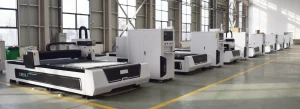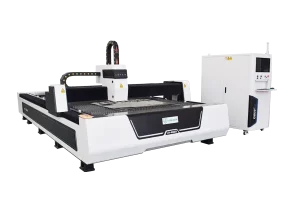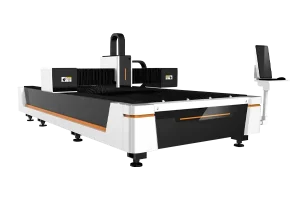
Fiber laser cutting machines have revolutionized the manufacturing industry by offering high precision, efficiency, and versatility. These machines utilize advanced laser technology to cut through a variety of materials, including metals, plastics, and ceramics, with remarkable accuracy. The advantages of fiber optic laser cutting machines are numerous, including faster cutting speeds, lower operating costs, and minimal material waste. Additionally, they require less maintenance compared to traditional cutting methods, making them a cost-effective solution for many businesses.
Selecting the right fiber laser cutting machine is crucial for any business involved in manufacturing or metalworking. The performance, capabilities, and efficiency of the machine directly impact production quality, turnaround times, and overall profitability. Choosing a machine that suits the specific needs of the business ensures optimal performance and long-term success. Whether the focus is on intricate designs, high-volume production, or the ability to handle a variety of materials, selecting the appropriate equipment is key to staying competitive in the fast-paced manufacturing industry.

The Basic Principle of Fiber Laser Cutting Machines
Fiber laser cutting machines have revolutionized the manufacturing landscape, providing precision and efficiency in processing various materials. At the heart of these machines is the fiber laser technology, which uses a solid-state laser to generate high-intensity beams. These beams are concentrated through fiber optic cables, allowing for remarkable cutting accuracy. Unlike traditional CO2 laser cutting machines, fiber lasers can cut through metals with greater speed and efficiency, making them ideal for industries that demand high-quality finishes and rapid production rates.
The working principle revolves around directing a focused laser beam onto the material surface. The intense heat melts or vaporizes the material, and high-pressure gas assists in expelling the molten material, resulting in clean edges. This method significantly reduces kerf width and enhances the overall quality of the cut.

Key Factors to Consider When Choosing a Fiber Laser Cutting Machine
Material Type and Thickness
Different materials require different cutting techniques. The best fiber laser cutting machine for your needs should accommodate the specific types of materials you intend to cut. Metals such as stainless steel, aluminum, and brass are commonly processed, but many machines can also handle plastics and other materials. Additionally, consider the thickness of the materials; machines vary in their capacity to cut thin gauges versus thick plates. Ensure that the selected machine meets your material specifications for optimal performance.
Laser Power
Laser power is critical when selecting a fiber laser cutting machine. Higher power translates to faster cutting speeds and enhanced ability to cut thicker materials. However, the relationship between power, speed, and accuracy is nuanced. It’s essential to match the machine’s power output with your specific production needs. Assessing your operational requirements will help determine the appropriate laser power for efficient processing.

Cutting Accuracy and Speed
Precision is paramount in many industrial applications. The best fiber laser cutting machine should offer high cutting accuracy to meet stringent quality standards. Industries such as aerospace and automotive often require intricate designs, making cutting speed and precision vital for maintaining efficiency and reducing waste. Understanding the balance between speed and accuracy will guide your choice appropriately.
Working Area
Choosing the right working area size is crucial. Smaller workbenches may be suitable for limited projects, while larger workspaces provide versatility for various applications. Consider the nature of your work and the scale of production when selecting between different workbench sizes. Each size comes with its own advantages and disadvantages, influencing operational workflow and space management.

System Stability and Reliability
Reliability is key for maintaining productivity, especially in high-load environments. Look for systems designed with robust construction and quality components to ensure stable operation under continuous use. Research stability indicators, such as the machine’s performance ratings and customer reviews, to gauge different brands and models. A reliable machine minimizes downtime and enhances overall production efficiency.
Other Additional Features and Technical Parameters
Automation Functions and Intelligent Control
Automation features, such as autofocus and automatic material replacement, can significantly streamline production processes. These advanced technologies enhance efficiency, reduce manual labor, and minimize human error. Investing in a machine with intelligent control capabilities can lead to significant improvements in your operational workflow.
Cooling System and Heat Dissipation Performance
A superior cooling system is essential for maintaining optimal performance and prolonging the lifespan of your fiber optic laser cutting machine. Effective heat dissipation prevents overheating, ensuring the machine runs smoothly during extended periods of operation. This aspect is often overlooked but is vital for sustaining long-term productivity.
Machine Maintenance and Service
Consider the ease of maintenance when selecting a fiber laser cutting machine. Machines that are designed for easy access and serviceability can save time and costs in the long run. Additionally, assess the warranty period and after-sales service provided by the manufacturer. A reliable support system is invaluable for addressing potential issues promptly, ensuring uninterrupted production.
Brand Recommendation and Market Prospects
In the competitive fiber laser cutting machine market, prominent brands like Bystronic, Amada, Trumpf, and LONGBOW each offer unique advantages and face distinct challenges.
Bystronic, a Swiss company, is known for its high precision, innovative automation, and strong R&D focus. However, its products come with a higher price tag, which may be a barrier for smaller businesses. Similarly, Amada from Japan offers high reliability and excellent maintenance services, but its pricing is also on the higher end, which can limit its appeal to cost-sensitive customers.
Trumpf, a German manufacturer, stands out with over a century of experience and reliable, fast machines capable of cutting thick materials. Its strong innovation focus and global presence make it a market leader, although it too faces a pricing challenge relative to some competitors.
LONGBOW, a Chinese brand, offers competitive pricing with a broad range of models for various industries. While its machines are affordable and versatile, the brand may lack the extensive customization options and long-term industry experience seen in some of its Western counterparts.
In general, choosing the fiber laser cutting machine that best suits your business needs depends on your actual needs. If you are choosing a fiber laser cutting machine for your production, you are welcome to ask our professional laser cutting machine experts +86 13399559018, we will provide you with professional advice and high-quality laser cutting machines!
Ultimately, the best choice depends on the balance between cost, technological needs, and long-term support, with each brand offering strengths suited to different market segments.