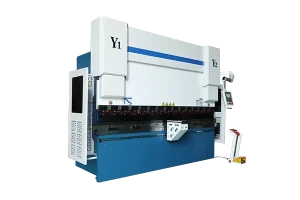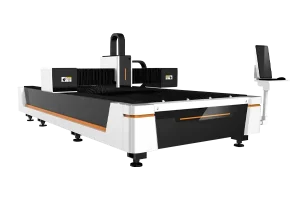
As global metal fabrication moves toward higher precision, lower energy consumption, and smarter automation, the servo electric press brake has become a preferred solution for manufacturers seeking long-term efficiency and accuracy. However, choosing the right servo electric press brake is not simply about replacing a hydraulic machine—it requires a clear understanding of production requirements, materials, accuracy demands, and future scalability.
This guide walks you through the key factors to consider when selecting a servo electric press brake to ensure maximum return on investment for your production line.
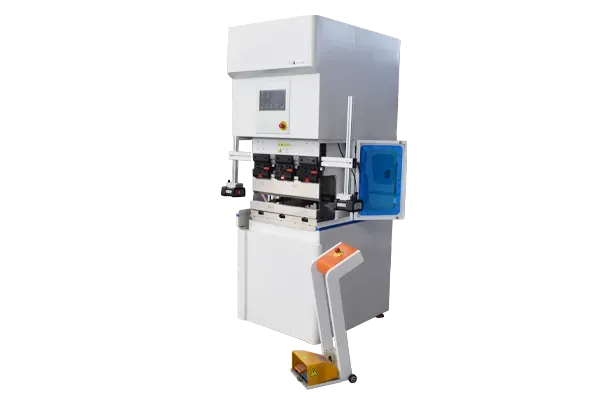
8 Tips to Choose the Right Servo Electric Press Brake
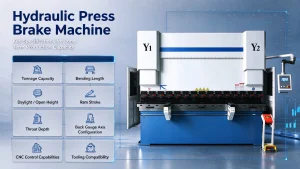
1. Understand Your Bending Capacity Requirements
The first step is defining your actual bending needs. Unlike hydraulic press brakes that are often oversized “just in case,” servo electric press brakes are best selected based on precise production parameters.
Key points to evaluate:
- Maximum bending force (tonnage) required for your thickest material
- Bending length (e.g., 1.6 m, 2.5 m, 3.2 m)
- Typical materials processed: stainless steel, aluminum, mild steel, galvanized sheet
For example, a 40–80 ton servo electric press brake is often ideal for electronics enclosures, HVAC components, and precision sheet metal parts, while heavier structural applications may still favor hybrid solutions.
2. Evaluate Precision and Repeatability Requirements
One of the strongest advantages of a servo electric press brake is its exceptional accuracy.
Compared to hydraulic systems:
- Positioning accuracy can reach ±0.01 mm
- Repeatability remains stable over long production cycles
- No oil temperature variation affecting bending angles
If your production involves:
- Tight tolerances
- Small batch, high-mix manufacturing
- Components requiring consistent angle accuracy
Then a servo electric press brake offers a clear competitive advantage.
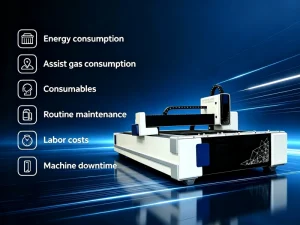
3. Consider Energy Efficiency and Operating Costs
Energy efficiency is one of the most searched topics related to servo electric press brakes—and for good reason.
Unlike hydraulic machines that run pumps continuously, a servo electric press brake consumes power only during bending. In real factory conditions, this can result in:
- 30–60% lower energy consumption
- Reduced electricity costs year over year
- No hydraulic oil, filters, or cooling systems to maintain
For B2B buyers focused on sustainable manufacturing and ESG compliance, this is a critical decision factor.
4. Match the Machine to Your Production Volume
Servo electric press brakes excel in:
- High-precision, medium-to-high volume production
- Fast cycle times with consistent quality
- Automated or semi-automated bending cells
If your factory produces thousands of identical parts per shift, servo drive systems deliver stable speed and force control with minimal downtime.
For lower volumes or frequent product changes, the flexibility of CNC programming and quick setup also makes servo electric models highly efficient.
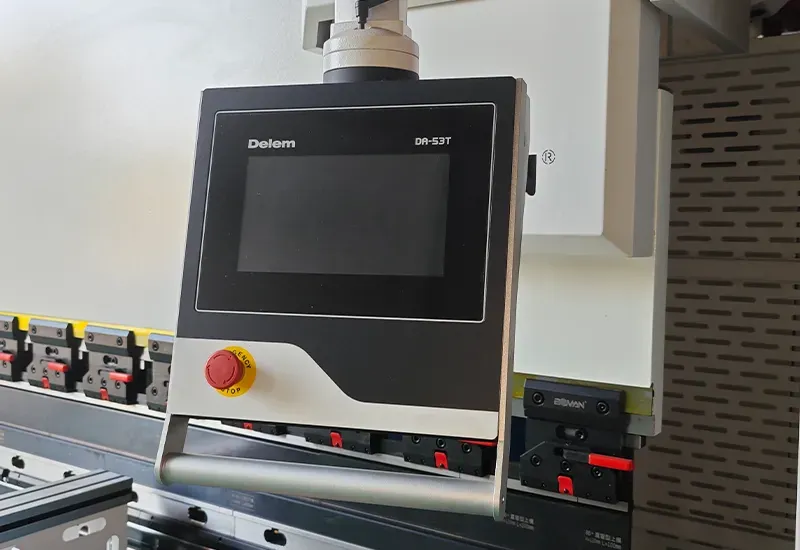
5. CNC Control System and Software Compatibility
The CNC controller defines how effectively your team can use the machine.
When choosing a servo electric press brake, look for:
- Intuitive CNC systems (e.g., 2D/3D bending simulation)
- Automatic bend sequence calculation
- Tool interference detection
- Data connectivity for Industry 4.0 environments
Advanced controls reduce operator dependency, training time, and scrap rates—key concerns for modern B2B manufacturers.
6. Tooling Compatibility and Flexibility
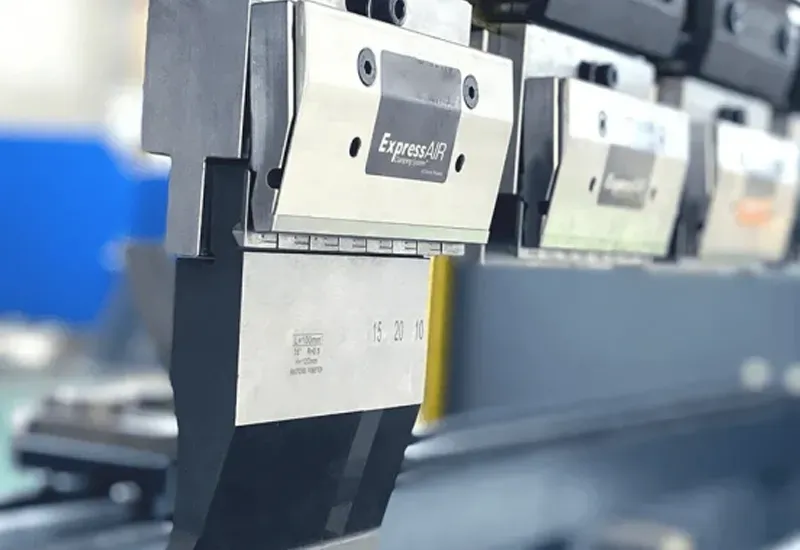
Ensure the servo electric press brake supports:
- Standard European-style punches and dies
- Quick-change tooling systems
- Custom tooling for complex profiles
This flexibility allows manufacturers to handle a wider range of products without investing in dedicated machines.
7. Automation and Future Expansion
Search trends show rising interest in automated servo electric press brakes. If you plan to upgrade in the future, consider:
- Compatibility with robotic bending systems
- Front and rear material handling options
- Offline programming integration
Choosing a future-ready servo electric press brake protects your investment as labor costs rise and automation becomes essential.
8. Reliability, Service, and Manufacturer Expertise
Finally, selecting the right servo electric press brake means choosing the right manufacturer.
Key indicators of a reliable supplier:
- Proven experience in servo drive technology
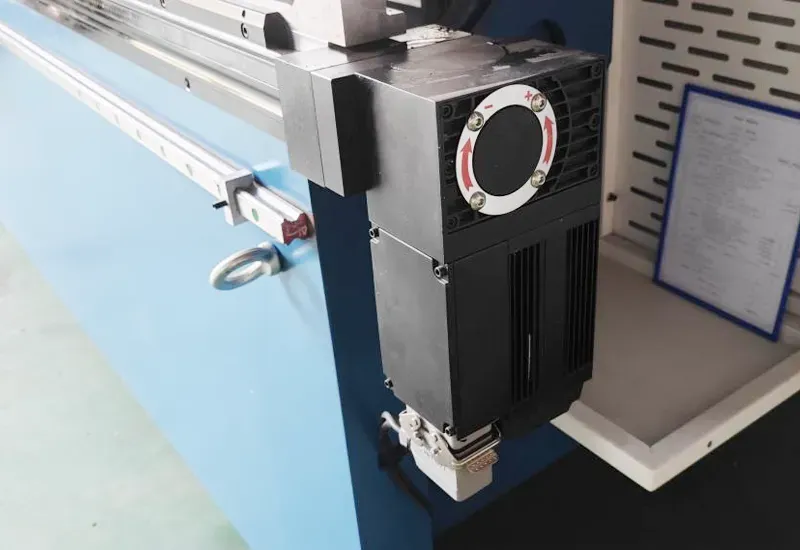
- High-quality core components (servo motors, ball screws, linear guides)
- Global service support and spare parts availability
- Clear technical documentation and training support
A professional manufacturer does not just sell a machine—it provides a long-term bending solution.
Conclusion
Servo electric press brake directly impacts productivity, energy consumption, and product quality. By carefully evaluating tonnage needs, precision requirements, energy efficiency, CNC capabilities, and future automation potential, manufacturers can select a solution that supports both current production and long-term growth.
As an experienced servo electric press brake manufacturer, we recommend treating the purchase not as a single machine investment, but as a core component of a smarter, cleaner, and more efficient fabrication system.
Looking for expert advice or a customized servo electric press brake solution?
Contact our technical team to discuss your production requirements and receive a tailored recommendation.