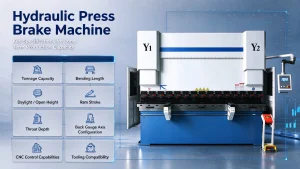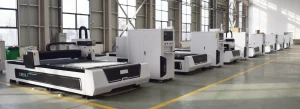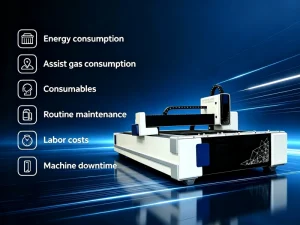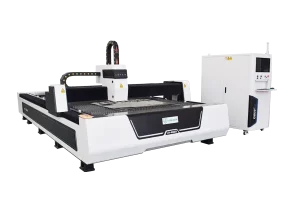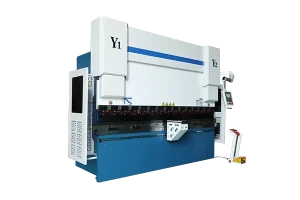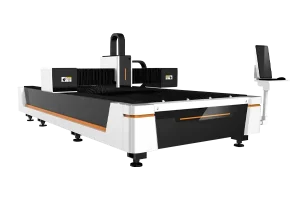
When it comes to cutting sheet metal in industrial manufacturing, among the most commonly used machines for this task are hydraulic shearing machines and CNC shearing machines. Both types offer unique advantages and can significantly enhance the productivity of metalworking operations. However, the key differences between the two technologies can have a significant impact on the choice of machine for your specific needs.
Let’s take a closer look at how hydraulic and CNC shearing machines compare, to help you choose CNC shearing machine that suits you.

Understanding Hydraulic Shearing Machines
Hydraulic shearing machines use hydraulic power to control the movement of the cutting blades. These machines are driven by a hydraulic pump, which generates the force necessary to shear through metal sheets. The hydraulic system is responsible for both the downstroke and the return stroke of the blades, providing controlled cutting force to achieve precise cuts.
Key Features:
- Force Generation: Hydraulic systems generate immense cutting power, making them suitable for cutting thicker sheets of metal.
- Manual and Semi-Automatic Operations: While some hydraulic shearing machines offer automatic controls, many models are manually operated, requiring the operator to adjust the blade position and cutting parameters.
- Lower Cost: Generally, hydraulic shearing machines are more affordable than CNC machines, making them an attractive option for smaller-scale operations or businesses with budget constraints.
- Lower Precision: Though hydraulic shearing machines can achieve good precision, they do not offer the level of accuracy and repeatability seen in CNC machines.
Applications:
- Suitable for cutting metal sheets in construction and manufacturing industries.
- Often used for batch processing of materials where manual intervention is acceptable.
CNC Shearing Machines
CNC (Computer Numerical Control) shearing machines take automation and precision to the next level. These machines are controlled by a computer system that can execute highly detailed and complex cutting patterns without the need for manual adjustments. CNC shearing machines typically incorporate both hydraulic power and advanced software controls to manage the cutting process.
Key Features:
- Computerized Precision: The CNC system allows for precise control of blade movement, ensuring extremely accurate cuts and reducing human error. Programs can be saved and reused, which is ideal for mass production or jobs requiring consistent results.
- Automation: CNC shearing machines are fully automated, eliminating the need for manual adjustments. This leads to faster cycle times and reduced labor costs.
- Higher Initial Investment: Due to the advanced technology and precision features, CNC shearing machines are typically more expensive than hydraulic models. However, they offer a higher return on investment in the long term through increased productivity and reduced waste.
- Greater Versatility: CNC machines can handle a wider variety of cutting tasks, including intricate and detailed patterns. They are often used in industries requiring tight tolerances and complex designs, such as aerospace and automotive manufacturing.
Applications:
- Ideal for high-precision cutting tasks, such as creating detailed parts for machinery, electronics, and high-tech industries.
- Perfect for businesses that need to handle frequent production runs with minimal setup time.

Hydraulic Shearing Machines vs. CNC Shearing Machines
| Feature | Hydraulic Shearing Machine | CNC Shearing Machine |
| Cutting Precision | Moderate precision; suitable for general cuts but may lack consistency for complex designs. | High precision; consistently accurate cuts with tight tolerances for complex designs. |
| Speed | Faster for simple, large-volume tasks but requires manual adjustments. | Slower setup time but faster for complex cuts and repeatable operations due to automation. |
| Ease of Operation | Simple and easy to operate; requires basic skills for setup and adjustments. | Requires skilled operators to program the machine and manage the automated system. |
| Cutting Capacity (Thickness) | Excellent for cutting thicker materials; hydraulic force provides more power for heavy-duty cutting. | Can handle a wide range of thicknesses, but cutting power is limited by machine specifications. |
| Automation | Limited automation; manual adjustments are often required for each cut. | Fully automated; can store programs for repeated use, minimizing human input. |
| Programming | No programming required; manual adjustments control the cut. | Requires detailed programming for each project, allowing for greater flexibility and repeatability. |
| Cost (Initial Investment) | Generally lower upfront cost, making it a budget-friendly option for basic cutting. | Higher initial investment due to advanced technology and automation features. |
| Maintenance Requirements | Easier and less costly maintenance due to fewer components (no complex electronics). | More maintenance needed for the CNC system and electronic components, but often equipped with diagnostic tools. |
| Versatility | Best for simple, straight cuts; limited ability to handle complex, intricate patterns. | Highly versatile; ideal for cutting intricate patterns, complex shapes, and multiple materials with ease. |
| Production Efficiency | Efficient for large batches with minimal setup but lacks flexibility for customized jobs. | Very efficient for high-mix production runs, reducing downtime between cuts due to automated setup and programming. |
| Labor Costs | Higher labor costs due to manual operation and setup. | Lower labor costs as most operations are automated, requiring minimal human intervention. |
| Common Applications | Suitable for heavy-duty cutting of large, thick sheets in industries like construction and manufacturing. | Perfect for industries that require high-precision cuts and high flexibility, such as aerospace, automotive, and electronics. |
| Operational Safety | Basic safety features; manual intervention increases risk of human error. | Advanced safety protocols with automatic shut-off and error detection to enhance operator safety. |
1. Precision and Cutting Accuracy
- Hydraulic Shearing Machines: While they are reliable for general cutting tasks, hydraulic machines do not offer the same level of accuracy as CNC machines. The precision is suitable for simple cuts, but not ideal for applications that demand tight tolerances or complex geometries.
- CNC Shearing Machines: CNC machines are engineered for high precision. With computerized control, they consistently deliver accurate cuts, making them perfect for industries that require intricate designs, tight tolerances, and consistent repeatability across multiple batches.
2. Speed and Efficiency
- Hydraulic Shearing Machines: They perform efficiently for larger, simpler cutting jobs where speed is crucial. However, they still require manual adjustments between cuts, which can slow down production when handling varying sizes or designs.
- CNC Shearing Machines: While CNC machines may have a slightly longer setup time due to programming, once in motion, they excel in speed for both complex and repetitive tasks. Automated operation means less human intervention, resulting in faster throughput and reduced downtime.
3. Ease of Operation
- Hydraulic Shearing Machines: These machines are straightforward to operate. Even those with limited training can perform basic operations, making them a great option for small businesses or less complex cutting tasks.
- CNC Shearing Machines: Operating a CNC machine requires specialized knowledge. The operator must program the machine using specific software, which means training is essential. However, once programmed, the machine can run independently with minimal oversight.
4. Upfront Investment and Cost
- Hydraulic Shearing Machines: Hydraulic machines typically have a lower initial cost. This makes them a popular choice for small to medium-sized businesses or those with budget constraints. However, ongoing costs may arise due to manual labor and possible inaccuracies in the cutting process.
- CNC Shearing Machines: The investment is considerably higher, but the long-term benefits—such as reduced labor costs, minimized material waste, and consistent precision—often justify the higher price tag. Businesses that require high-volume, high-precision production will see a quicker return on investment.
5. Versatility and Application Flexibility
- Hydraulic Shearing Machines: These machines excel at basic, high-volume cutting tasks. They work well for thicker materials or projects where custom designs are not necessary. However, their capabilities are more limited when it comes to intricate or variable cutting requirements.
- CNC Shearing Machines: CNC machines are far more versatile. They can handle both simple and complex tasks with ease, including cutting intricate shapes and materials of varying thicknesses. The ability to program different cutting patterns allows for more flexibility, ideal for industries with evolving design needs.
6. Maintenance and Support
- Hydraulic Shearing Machines: Generally, hydraulic machines require less maintenance. Their mechanical simplicity means fewer components to service or replace, and they are typically more durable under heavy use. Maintenance is mainly focused on the hydraulic system and cutting blades.
- CNC Shearing Machines: These machines involve more complex maintenance due to their advanced software and electronics. Maintenance often includes software updates, troubleshooting machine controls, and ensuring the system runs smoothly. However, modern CNC systems often feature diagnostic tools to identify and address issues quickly, potentially reducing downtime.
Which One Should You Choose?
The decision between a hydraulic and CNC shearing machine depends on your specific needs and budget:
- Choose a Hydraulic Shearing Machine if:
- You need a cost-effective solution for general-purpose cutting.
- You’re working with thicker sheets or materials that don’t require high precision.
- Your production involves fewer customization requirements, and manual control is sufficient.
- Choose a CNC Shearing Machine if:
- Precision and automation are your top priorities.
- You need to handle intricate designs and detailed cutting patterns.
- You’re looking to scale up your production with minimal human intervention.
- Your business can accommodate the higher initial investment for greater long-term efficiency.
Conclusion
Hydraulic shearing machines are an excellent choice for basic and cost-effective cutting operations, while CNC shearing machines offer unparalleled accuracy, flexibility, and efficiency, especially in high-demand, high-precision environments.
If you are choosing a shearing machine, you are welcome to contact our shearing machine experts at sales@longbowmachine.com at any time. Whether it is a hydraulic shearing machine or a CNC shearing machine, we can provide you with the best price and the best quality products.