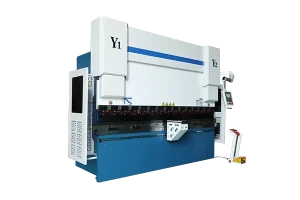
In today’s fast-paced metal fabrication industry, precision and efficiency are more important than ever. Whether you’re running a high-output production facility or a specialized workshop, the machines you use can have a major impact on your productivity, quality, and operating costs. One machine that plays a critical role in the bending process is the electric CNC press brake.
Unlike traditional hydraulic press brakes, electric CNC press brakes offer higher energy efficiency, quieter operation, and greater precision. They’re becoming increasingly popular in global markets due to their eco-friendliness and advanced automation features. But with so many models and configurations available, how do you make sure you’re choosing the right one for your specific needs?
In this guide, we’ll walk you through the key factors to consider when selecting an electric CNC press brake and provide practical tips to help you make the best decision for your business.
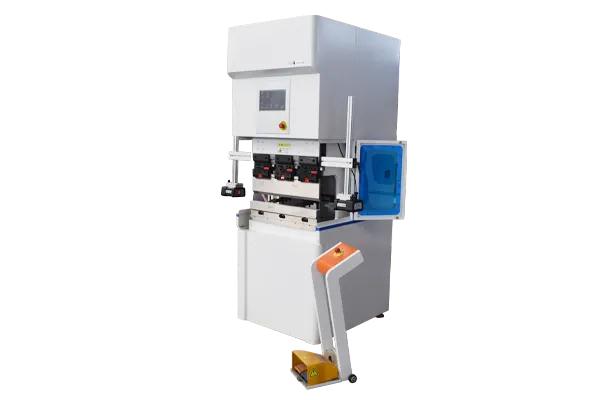
Key Factors to Consider When Choosing an Electric CNC Press Brake
When you’re evaluating an electric CNC press brake, it’s not just about picking the latest model or the one with the most features. You need to dig deeper into how it fits with your materials, your production volume, and your long-term goals. Let’s take a closer look at the most important elements to think about.
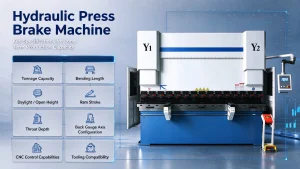
- Bending Force and Processing Capacity
The bending force of a press brake determines what kinds of materials you can work with. Thicker and harder materials like stainless steel or carbon steel require more force, while thinner aluminum sheets need much less. Choosing a model with insufficient force can lead to poor bends, equipment strain, or even operational hazards.
You also need to check the machine’s maximum bending length. This defines the longest piece of metal the equipment can handle in one go. If your typical job involves large panels or long parts, you’ll need a press brake with a wider bed and strong frame support. The bending angle range should also be considered, especially if your parts require precise angular tolerances.

- Precision and Repeatability
One of the biggest advantages of electric CNC press brakes is their ability to deliver consistent and accurate results. This comes down to the CNC control system, the drive mechanism, and the build quality of the machine. Look for a model with a high-resolution CNC controller and advanced software features for real-time correction and feedback.
Repeatable accuracy is critical in production settings where thousands of identical parts are needed. A reliable electric drive system ensures smooth motion, while features like automatic crowning and back gauge positioning help maintain exact dimensions across multiple cycles.
- Speed and Productivity
Speed isn’t just about how fast the ram moves – it’s also about how efficiently your operators can complete a job. Electric press brakes usually offer faster approach and return speeds than hydraulic models. This reduces cycle time and increases your production output.
Think about the automation level, too. Does the machine support multi-axis control? Can it handle rapid tool changes or automatic clamping? These features can drastically reduce setup time and improve throughput, especially in high-mix, low-volume production environments.
- User Interface and Programming Capabilities
A user-friendly interface can be a game-changer, especially for shops with varying operator skill levels. Many modern electric CNC press brakes come with large touchscreens, intuitive controls, and even 3D graphic simulation. These tools make it easier to visualize the bending sequence and avoid collisions or mistakes.

Compatibility with industry-standard file formats like DXF or STEP is also essential. You’ll want to ensure the system supports offline programming and remote diagnostics, which can improve flexibility and reduce downtime. Advanced CNC systems may also offer auto-compensation, tool recognition, and adaptive bending capabilities.
- Energy Efficiency and Operating Costs
Electric press brakes are known for consuming less power because they operate only when needed, unlike hydraulic models that run continuously. Over time, this can lead to significant energy savings, especially in large-scale operations.
But energy efficiency is just one side of the coin. Maintenance costs are equally important. With fewer moving parts and no hydraulic fluid, electric systems typically require less upkeep. This not only reduces service costs but also minimizes the risk of environmental contamination.
Check whether the machine meets global energy standards or certifications. Some countries offer incentives or rebates for energy-efficient equipment, which can improve your return on investment.
- Material Compatibility
Not all press brakes are created equal when it comes to handling different materials. Before making a purchase, it’s essential to verify that the press brake supports the types of materials you work with – whether that’s mild steel, stainless steel, aluminum, copper, or even exotic alloys.
Some machines are optimized for thin sheet metal work, while others are built for heavy-duty applications. Look for models with adjustable tonnage, intelligent control systems, and flexible tooling options that can adapt to various material thicknesses and hardness levels.

- Safety Features and Operator Protection
Safety should never be an afterthought. Reputable electric CNC press brakes are equipped with protective measures to prevent accidents and injuries. This includes light curtains, emergency stop buttons, and overload protection systems.
Advanced models may incorporate safety scanners or laser-based guarding that stops the machine if it detects an obstruction. While these features may add to the upfront cost, they help protect your team and reduce liability in the long run.
- Automation and Integration Capabilities
If your operation is moving towards smart manufacturing or Industry 4.0, integration is key. Some electric CNC press brakes are designed to work seamlessly with robots, material handling systems, and MES (Manufacturing Execution Systems).
Look for machines that support robotic loading/unloading, automated part sorting, and data connectivity. These functions not only boost productivity but also provide valuable insights into performance, wear and tear, and scheduling.
Practical Tips for Choosing the Right Electric CNC Press Brake
Choosing the right electric CNC press brake involves more than just technical specifications. It’s about aligning your investment with your production goals, team capabilities, and future growth. Here are some practical strategies to help guide your decision.
- Match the Machine to Your Production Needs
Start by analyzing your current and projected workload. How many parts do you bend daily? What materials and thicknesses are involved? What tolerances do your customers require?
Once you have a clear profile of your typical job requirements, you can narrow down the press brake models that meet those needs. A machine that’s too small will limit your production, while an oversized one may waste energy and space.
Consider whether your production is high-volume, low-mix or low-volume, high-mix. For flexible production environments, a machine with quick-change tooling and multi-axis back gauges can save valuable time and reduce labor costs.
- Compare Brands and Models Carefully
Not all electric CNC press brakes are created equal. Even if two models have similar specs on paper, their real-world performance can vary widely. That’s why it’s essential to evaluate the build quality, reputation, and after-sales service of each brand.
Look for manufacturers with a strong track record in R&D and innovation. A company that continually improves its machines based on customer feedback is more likely to deliver long-term value. Also, pay attention to the availability of spare parts and local service support.
If possible, request a live demo or factory visit. Watching the machine in action gives you a clearer understanding of its capabilities and ease of use.
- Evaluate Actual Performance Through Testing

Before finalizing your purchase, ask for a sample run using your actual materials and drawings. This real-world test will show how the machine handles your specific tasks, including bend accuracy, cycle time, and material handling.
Some suppliers offer case studies or success stories from similar industries. Reviewing these examples can help you assess whether the machine has been proven in applications like yours. It also gives you insights into how other companies have integrated the press brake into their production lines.
If you’re buying from overseas, make sure the machine meets your local compliance and safety standards. It’s also worth confirming warranty terms, training options, and technical support availability.
Conclusion
Choosing a suitable electric CNC press brake is a critical decision that affects your shop’s efficiency, product quality, and long-term profitability. With the right machine, you can streamline operations, reduce waste, and stay competitive in a demanding market.
At LONGBOW, our range of electric CNC press brakes is designed to meet the diverse needs of global manufacturers, combining smart technology with solid engineering. Whether you’re upgrading your current equipment or starting a new facility, we’re here to help you choose the right solution.
Feel free to contact us to learn more about our machines, request a demo, or get expert advice tailored to your industry.