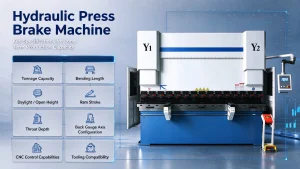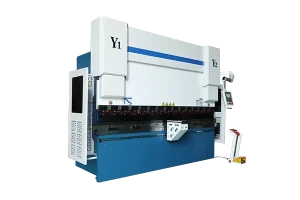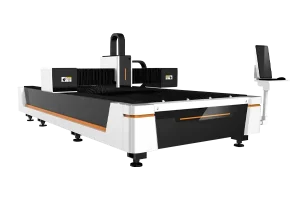
As global manufacturing shifts toward energy efficiency, precision, and intelligent automation, the full electric press brake has become one of the fastest-growing bending solutions in the sheet metal industry. Compared with traditional hydraulic press brakes, full electric press brakes use servo motor drive systems instead of hydraulic oil, delivering higher accuracy, lower energy consumption, and cleaner operation.
From high-precision components to mass production lines, full electric press brakes are now widely adopted across multiple industries. In this article, we explore the best industry applications for full electric press brakes, explaining why they are the preferred choice and how manufacturers benefit from this advanced bending technology.

What Makes Full Electric Press Brakes Ideal for Modern Industries?
Before diving into applications, it’s important to understand why full electric press brakes are gaining popularity:
- High positioning accuracy: repeatability up to ±0.01 mm
- Energy savings: typically 30–60% lower power consumption than hydraulic models
- Clean and eco-friendly: no hydraulic oil, no leakage risk
- Low maintenance cost: fewer mechanical parts and no oil replacement
- Excellent for automation: fast response, stable control, and easy robot integration
These advantages make full electric press brakes especially suitable for industries where precision, consistency, and sustainability are critical.
Applications for Full Electric Press Brakes in Modern Manufacturing
1. Electronics and Electrical Enclosures Industry
The electronics industry demands extreme precision and surface quality, especially for components such as:
- Electrical cabinets and control boxes
- Server racks and data center enclosures
- Battery housings and inverter cabinets
Full electric press brakes excel here because they deliver stable bending force control with virtually no vibration, making it possible to bend thin sheets from 0.5 mm up to 3 mm in stainless steel, aluminum, or galvanized steel without causing angle deviation or scratches.
Why full electric press brakes are ideal:
- High repeatability for batch production — crucial for manufacturing 1,000+ enclosures per week
- Oil-free operation ensures compliance with indoor electronics assembly standards
- Short-flange and multi-bend capabilities allow complex shapes like L-shaped or stepped enclosures without extra tooling
2. Automotive and New Energy Vehicle (NEV) Manufacturing
In automotive manufacturing—especially electric vehicles (EVs)—lightweight materials and tight tolerances are essential. Full electric press brakes are widely used for bending:
- Aluminum body panels
- Brackets and structural reinforcements
- Battery trays and cooling components
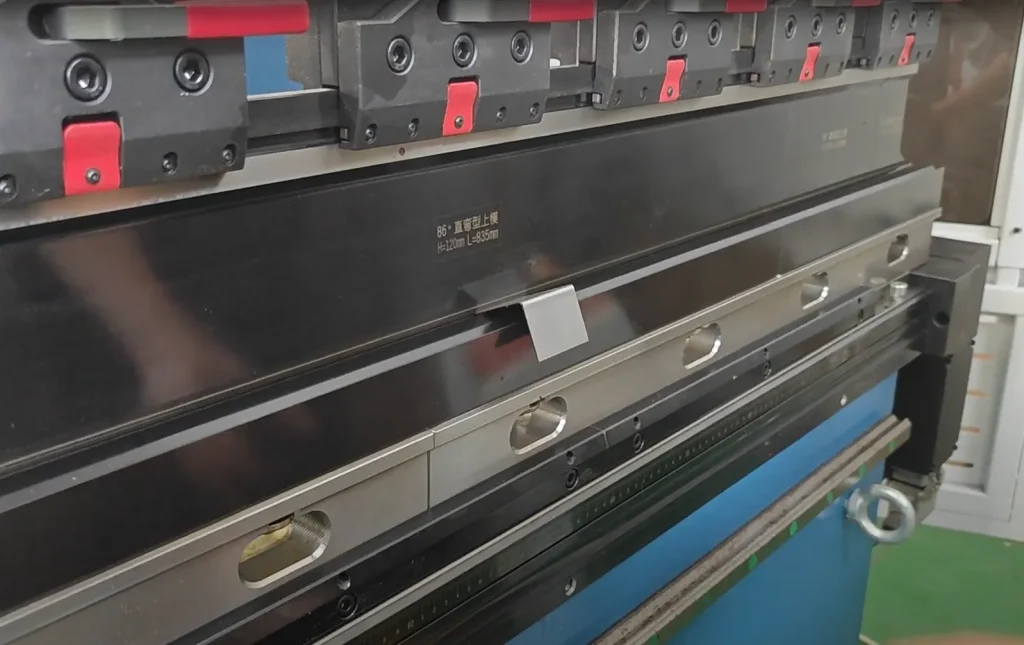
Compared to hydraulic press brakes, electric models offer stroke speeds up to 30% faster and maintain ±0.03 mm angle consistency, which is essential for automated production lines.
Typical benefits in automotive applications:
- Stable bending quality for high-volume production lines exceeding 1,500 parts per shift
- Scrap reduction by 10–15% due to consistent angles
- Integration with robotic bending cells for fully automated operations
3. Precision Sheet Metal Fabrication Shops
Job shops and contract manufacturers handling high-mix, low-volume orders benefit significantly from full electric press brakes. These workshops often produce:
- Custom metal enclosures
- Architectural metal parts
- Small precision brackets
Thanks to fast CNC programming and quick tool changes, operators can switch between part types in as little as 10–15 minutes, compared to 45–60 minutes on hydraulic machines. This flexibility allows fabricators to handle orders ranging from 50 to 500 pieces per batch efficiently.
Key advantages for fabrication shops:
- Shorter setup times, improving throughput
- Lower electricity costs — up to 50% savings per month on energy-intensive bending operations
- Consistent bending quality even with mixed material types and novice operators
4. Aerospace and Aviation Components
The aerospace industry requires exceptional accuracy and repeatability, often working with aluminum alloys, titanium sheets, and thin stainless steel. Any bending deviation can lead to part rejection.
Full electric press brakes are ideal for aerospace components such as:
- Interior structural panels
- Mounting brackets
- Ventilation and ducting parts
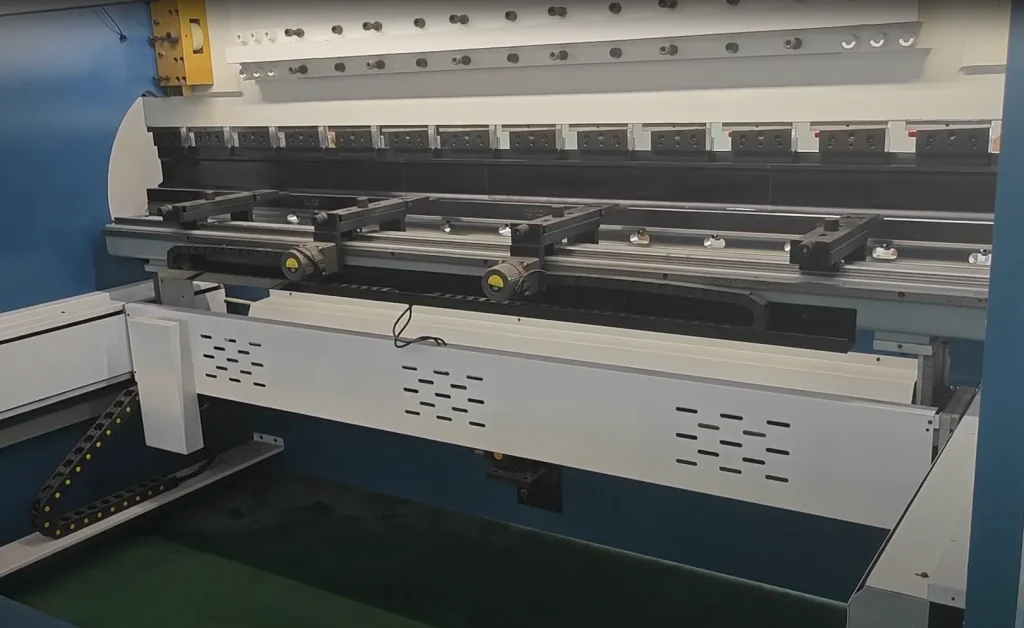
Even a 0.05 mm deviation can cause part rejection. Full electric press brakes, with servo-driven positioning and real-time feedback, maintain tolerances within ±0.01 mm for thin, high-value alloys.
Why aerospace manufacturers choose full electric press brakes:
- Ultra-high bending precision
- Excellent control for thin and high-value materials
- Lower vibration improves part consistency
5. Medical Equipment and Clean Manufacturing
Medical equipment manufacturers prioritize clean production environments and precise metal forming. Full electric press brakes are commonly used for bending:
- Medical device housings
- Stainless steel frames
- Laboratory equipment panels
Operating without hydraulic oil, these machines eliminate contamination risks, meeting ISO 14644 cleanroom standards for medical fabrication.
Main advantages for medical applications:
- Oil-free, clean operation ensures compliance with regulated environments
- Quiet operation reduces workplace noise (<65 dB)
- High accuracy allows consistent bending across multiple materials
6. Renewable Energy and Power Equipment Industry
With the rapid growth of renewable energy, full electric press brakes are increasingly used to manufacture components for:
- Solar inverter cabinets
- Energy storage system enclosures
- Charging station housings
These parts usually involve thin to medium-thickness sheet metal (1–6 mm) and require uniform bending across large production batches.
Key advantages of renewable energy:
- Consistent bending for modular designs
- High productivity for large batch manufacturing
- Minimal maintenance and energy savings of up to 60% compared with hydraulic machines
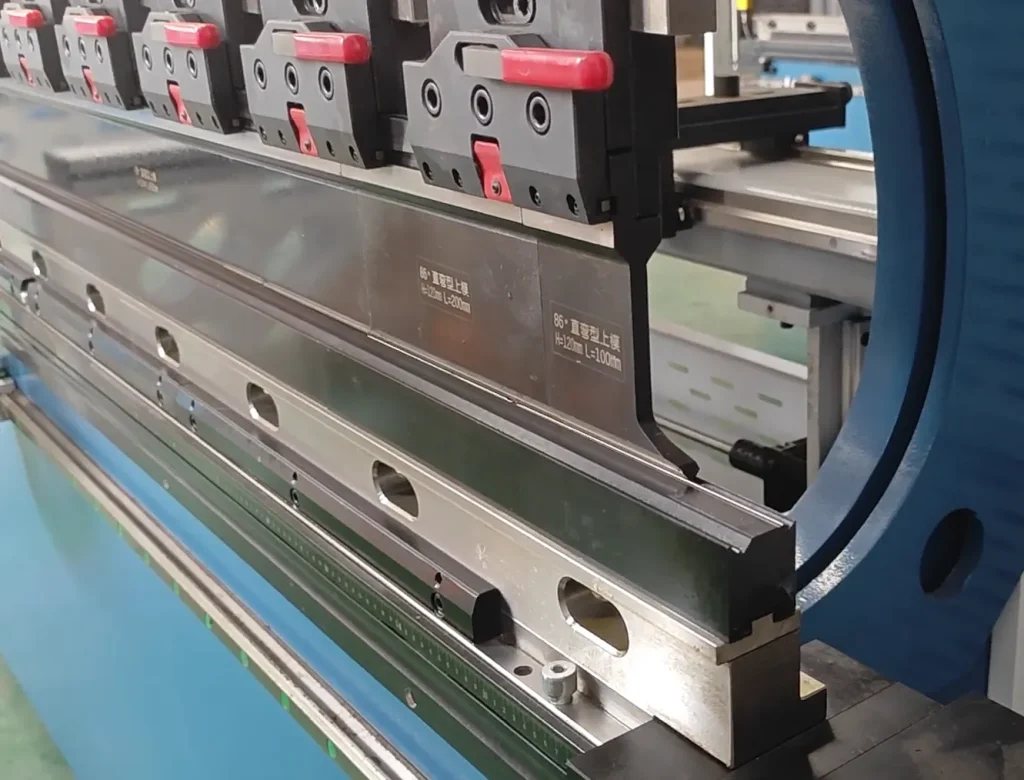
Full Electric Press Brake vs Hydraulic Press Brake (Application View)
| Industry | Full Electric Press Brake | Hydraulic Press Brake |
| Electronics | ★★★★★ High precision | ★★★ |
| Automotive | ★★★★☆ Automation-ready | ★★★★ |
| Aerospace | ★★★★★ Ultra accuracy | ★★★ |
| Job Shops | ★★★★★ Flexible & efficient | ★★★ |
| Medical | ★★★★★ Clean operation | ★★ |
| Heavy Plate Bending | ★★ | ★★★★★ |
Note: Full electric press brakes are best suited for thin to medium plate applications, while hydraulic press brakes remain preferable for very thick or heavy plate bending.
Why Manufacturers Are Shifting to Full Electric Press Brakes
From our experience as a professional electric press brake manufacturer, customers are increasingly upgrading to full electric models due to:
- Rising energy costs and carbon-reduction goals
- Demand for higher precision and automation
- Stricter environmental and safety regulations
For many industries, the total cost of ownership (TCO) of a full electric press brake is lower over the machine’s lifecycle, even if the initial investment is slightly higher.
Conclusion
If your production focuses on precision sheet metal, thin to medium materials, high consistency, and energy efficiency, a full electric press brake is an excellent long-term investment. Industries such as electronics, automotive, aerospace, medical equipment, and renewable energy are already benefiting from this advanced bending technology.
Looking to Upgrade Your Bending Solution?
As an experienced Electric Press Brake Manufacturer, we offer customized full electric press brake solutions tailored to your industry, materials, and production requirements.
Contact us today to find the right full electric press brake for your application and take your metal bending efficiency to the next level.