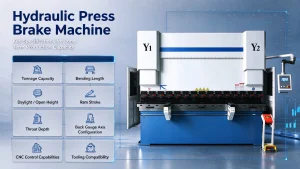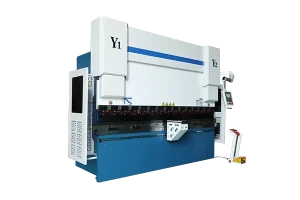
In the competitive world of sheet metal fabrication, balancing budget constraints with increasing production demands is a constant challenge. For small to medium-sized enterprises and startups aiming to expand their capabilities without excessive investment, the economic torsion bar press brake presents an ideal solution.
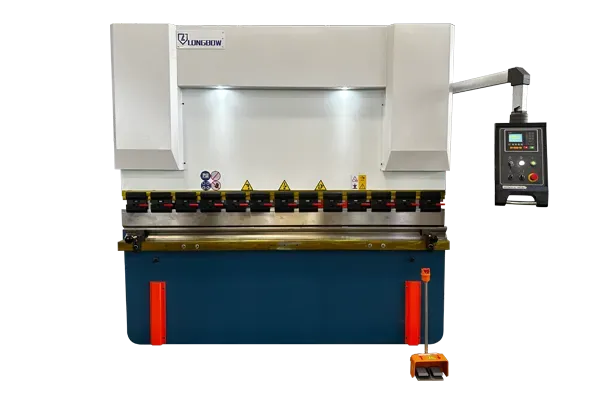
Unlike complex hydraulic synchronization systems that require higher investment and maintenance costs, torsion bar press brake adopts a durable mechanical torsion bar synchronization system. It ensures precise and consistent bending performance for light to medium-duty sheet metal applications.
By combining affordability with reliable operation, it provides an excellent entry-level solution for professional metal bending, helping workshops achieve stable production, improved efficiency, and controlled costs.
Market Demand: Why Workshops Need Cost-Effective Bending Solutions

With the rapid expansion of industries such as construction, HVAC, automotive components, and metal fabrication, the demand for efficient sheet metal processing equipment continues to increase.
However, many workshops face common challenges:
- High cost of advanced CNC press brake machines
- Skilled operator shortages
- Increasing production pressure with limited budgets
- Need for stable but simple equipment solutions
The economic torsion bar press brake machine addresses these challenges by offering a practical alternative that balances performance and investment.
Core Advantages: Simplicity and Cost-Effectiveness
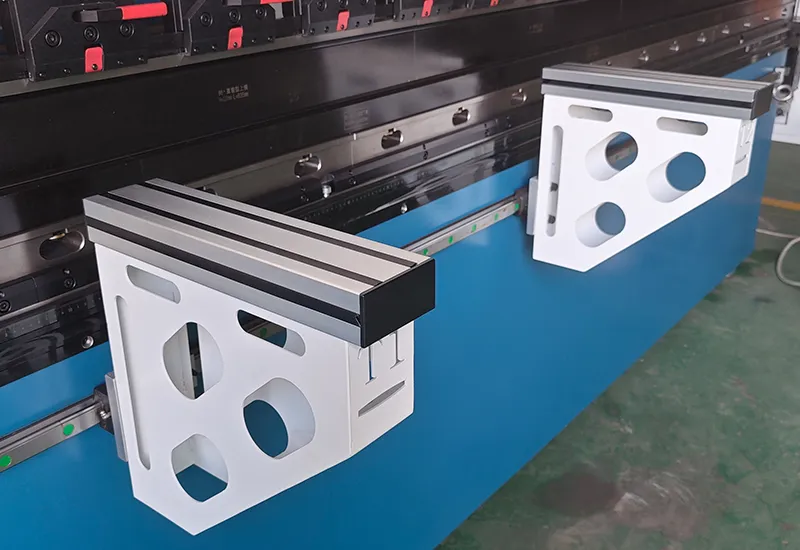
1. Simplified Mechanical Structure for Cost Efficiency
The economic torsion bar press brake machine uses a torsion axis to synchronize both cylinders, eliminating the need for complex hydraulic valves and electronic feedback systems. This simplified design reduces manufacturing cost while maintaining stable sheet metal bending performance.
2. Lower Investment with Practical Performance
Compared with CNC electro-hydraulic press brakes, torsion bar press brake offers a more affordable entry solution. It is ideal for light to medium-duty sheet metal fabrication, helping workshops achieve reliable output without high automation costs.
3. Reduced Maintenance and Stable Operation
With fewer electronic components, the torsion bar system is more durable and less prone to failure. This reduces maintenance needs and downtime, allowing smoother and more consistent production.
4. Easy Operation for Workshop Use
The simple mechanical structure allows operators to quickly learn and use the machine. It reduces training time and improves daily production efficiency, especially for growing workshops.
Performance: Ease of Operation and Reliability
1. Simple Operation for Faster Setup
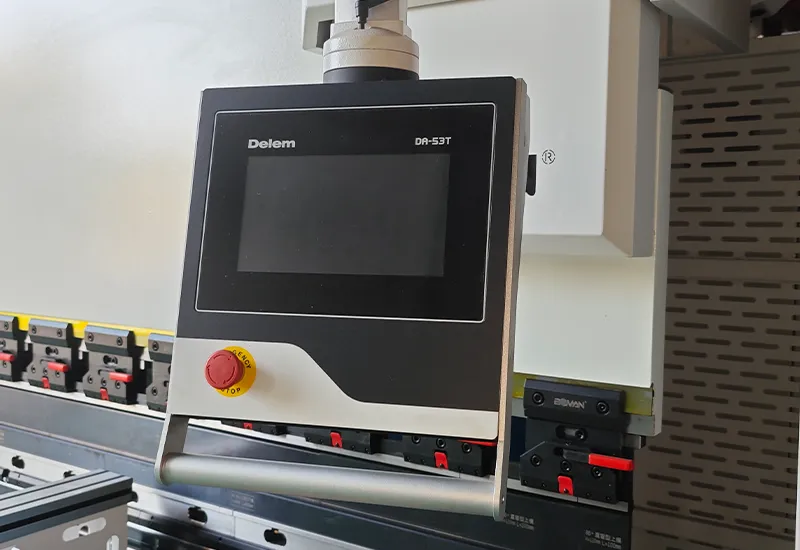
Although positioned as an “economic” solution, modern torsion bar press brake machines are designed for easy operation without sacrificing performance. Operators can quickly set stroke length and backgauge positions through manual or basic motorized adjustments, significantly reducing setup time for standard sheet metal bending tasks.
2. Stable Bending Accuracy Through Torsion Bar System
The mechanical torsion bar synchronization system ensures rigid and uniform ram movement. This helps maintain consistent bending angles along the entire workpiece, improving forming accuracy and reducing deviation during continuous production.
3. Reliable Performance for Daily Production Needs
Thanks to its stable mechanical structure, the machine performs reliably in daily workshop operations. It is particularly suitable for medium-volume sheet metal processing where consistent output is more important than high-level automation.
4. Ideal Solution for Standard Sheet Metal Thickness
For workshops processing mild steel sheets up to 4mm–6mm, torsion bar press brake offers an excellent balance of speed, accuracy, and structural rigidity. It delivers dependable performance without requiring highly skilled CNC programming expertise.
Structural Design: Torsion Bar Synchronization System
The key technical advantage of torsion bar press brake lies in its torsion bar synchronization mechanism. This design ensures both sides of the machine’s ram move evenly, reducing deformation and improving bending precision.
Benefits of this system include:
- Improved bending stability
- Reduced mechanical stress
- Enhanced durability of machine structure
- Consistent performance in long-term operation
Application Scenarios: Where It Performs Best
The economic torsion bar press brake machine is widely used in a variety of sheet metal fabrication industries where consistent bending quality and stable production output are required. It is especially suitable for standard parts processing and medium-volume manufacturing environments.
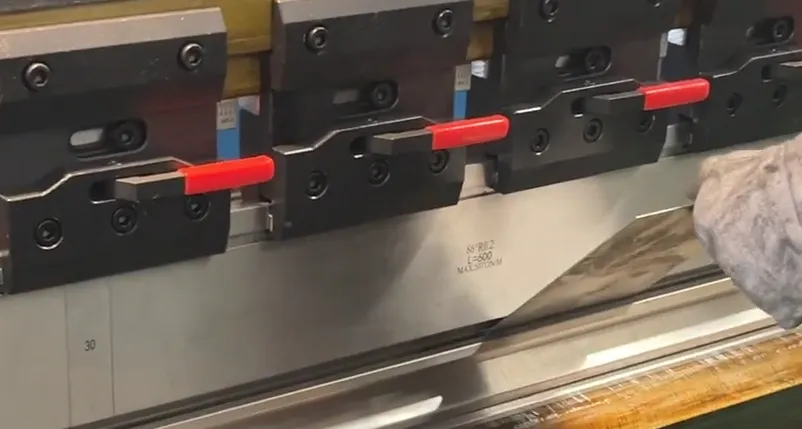
Typical applications include:
- Industrial sheet metal panels: Used in machinery housings, machine tool covers, and protective panels that require consistent bending accuracy.
- Electrical cabinets and enclosures: Commonly applied in the production of distribution boxes, control cabinets, and electrical housing systems.
- HVAC systems: Suitable for manufacturing ventilation ducts, air conditioning components, and airflow control structures.
- Metal structural parts: Widely used for brackets, support frames, mounting parts, and general-purpose structural components in various industries.
- Construction-related metal products: Applied in building support elements, metal roofing accessories, and prefabricated metal parts.
This machine is particularly effective for workshops that focus on repetitive production tasks, where efficiency, stability, and cost control are more important than complex custom bending or multi-axis CNC operations.
Maintenance and Operation Cost Benefits
One key advantage of the economic torsion bar press brake machine is its low operating and maintenance cost. Its simple mechanical structure reduces reliance on complex hydraulic and electronic systems used in CNC press brakes, improving reliability while lowering maintenance needs, spare parts use, and technical support requirements.
Fewer electronic components
Meaning there are fewer sensors, control units, and circuit systems that could potentially fail during long-term operation. This improves overall machine stability and reduces unexpected downtime.
Simplified maintenance procedures
As the machine mainly relies on mechanical transmission rather than complex software or hydraulic calibration. Routine maintenance such as lubrication, inspection, and adjustment can be completed quickly by workshop staff without specialized training.
Lower frequency of spare parts replacement
Since the torsion bar mechanical system is less dependent on high-precision electronic or hydraulic parts. This reduces both maintenance costs and production interruptions caused by component wear.
Minimal reliance on specialized technical support
Allowing most troubleshooting and servicing tasks to be handled in-house. This is especially beneficial for small and medium workshops that do not have dedicated CNC technicians.
Overall, the machine is designed for long-term, stable operation in continuous production environments where cost control and equipment reliability are equally important.
Conclusion
Investing in an economic torsion bar press brake machine is a smart choice for improving production efficiency and controlling costs. It helps workshops complete consistent sheet metal bending jobs, generating stable returns with a fast payback period.
For manufacturers producing enclosures, brackets, and general metal parts, it offers a reliable, low-maintenance, and cost-effective bending solution.
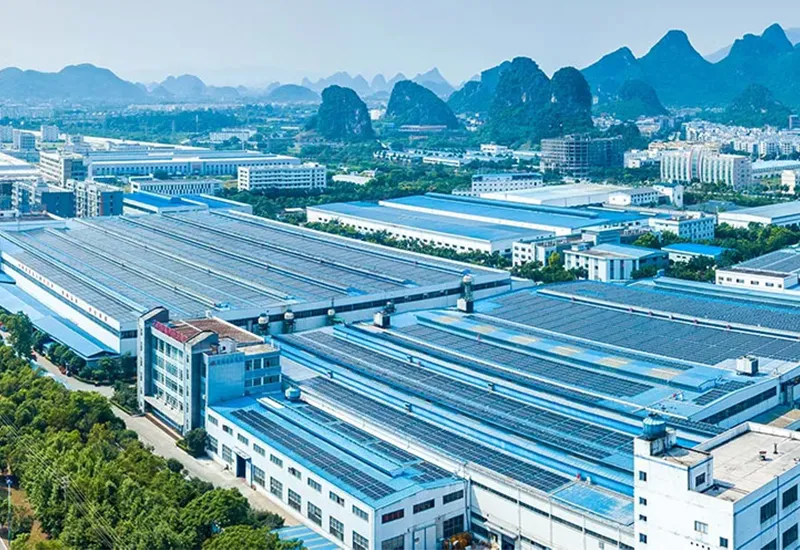
At LONGBOW, we provide professional sheet metal fabrication equipment designed for global industrial needs. Visit us to learn more or contact us for a quotation.